

















AP Delegation Studies Singapore’s Global Urban Models to Advance Amaravati and Sustainable Cities
Singapore / Amaravati, 17th June 2026:
In line with the vision of Hon’ble Chief Minister Sri N. Chandrababu Naidu to position Andhra Pradesh as a model State f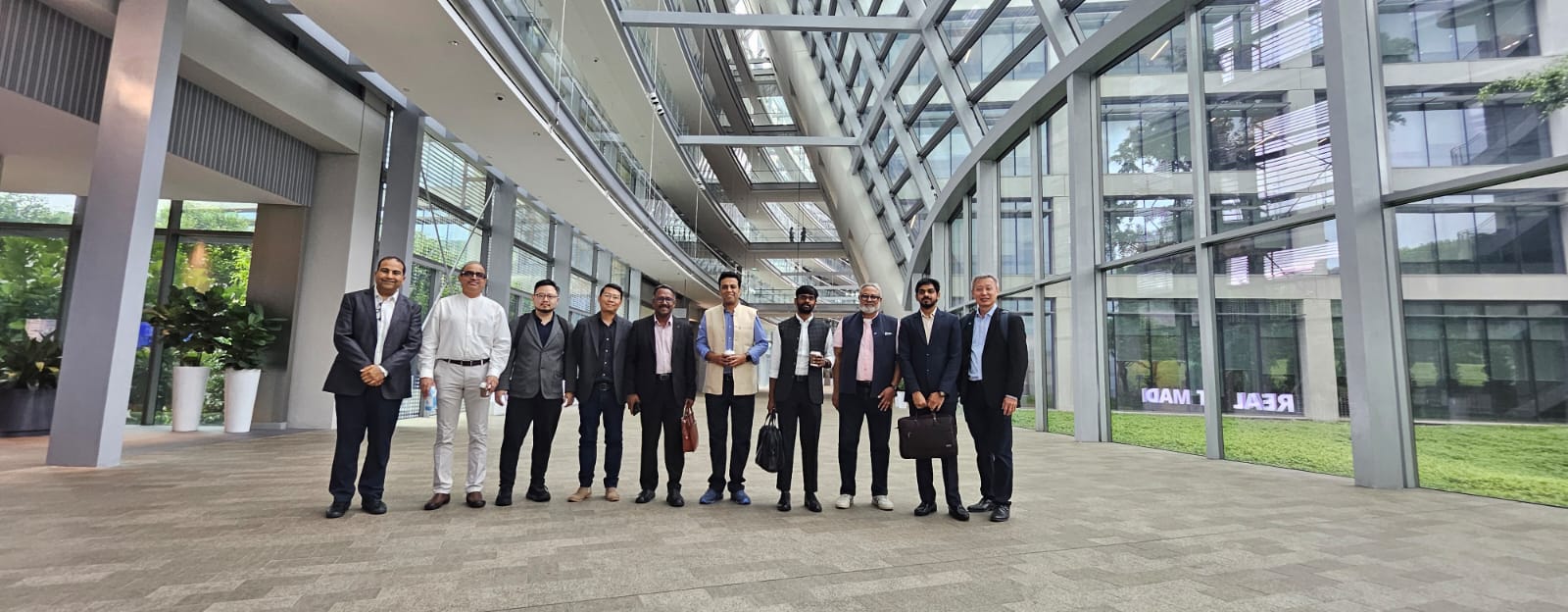
 or planned urbanisation, sustainable infrastructure and globally benchmarked city development, a high-level delegation of the Municipal Administration & Urban Development Department visited Singapore to study international best practices in urban planning, innovation-led development and scientific solid waste management.
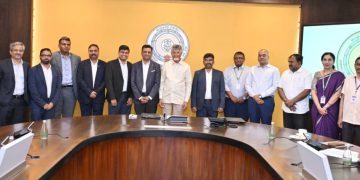
The visit was undertaken as per the directions of the Hon’ble Chief Minister, who has emphasised that the development of Amaravati and other major urban centres in Andhra Pradesh must draw upon global experience, advanced planning systems, sustainable infrastructure models and strong institutional partnerships. The delegation comprised Hon’ble Minister for Municipal Administration & Urban Development Sri Ponguru Narayana, Principal Secretary to Government, MA&UD Department, Sri S. Suresh Kumar, IAS and Sri Praveenchand, IAS, Additional Commissioner, APCRDA.
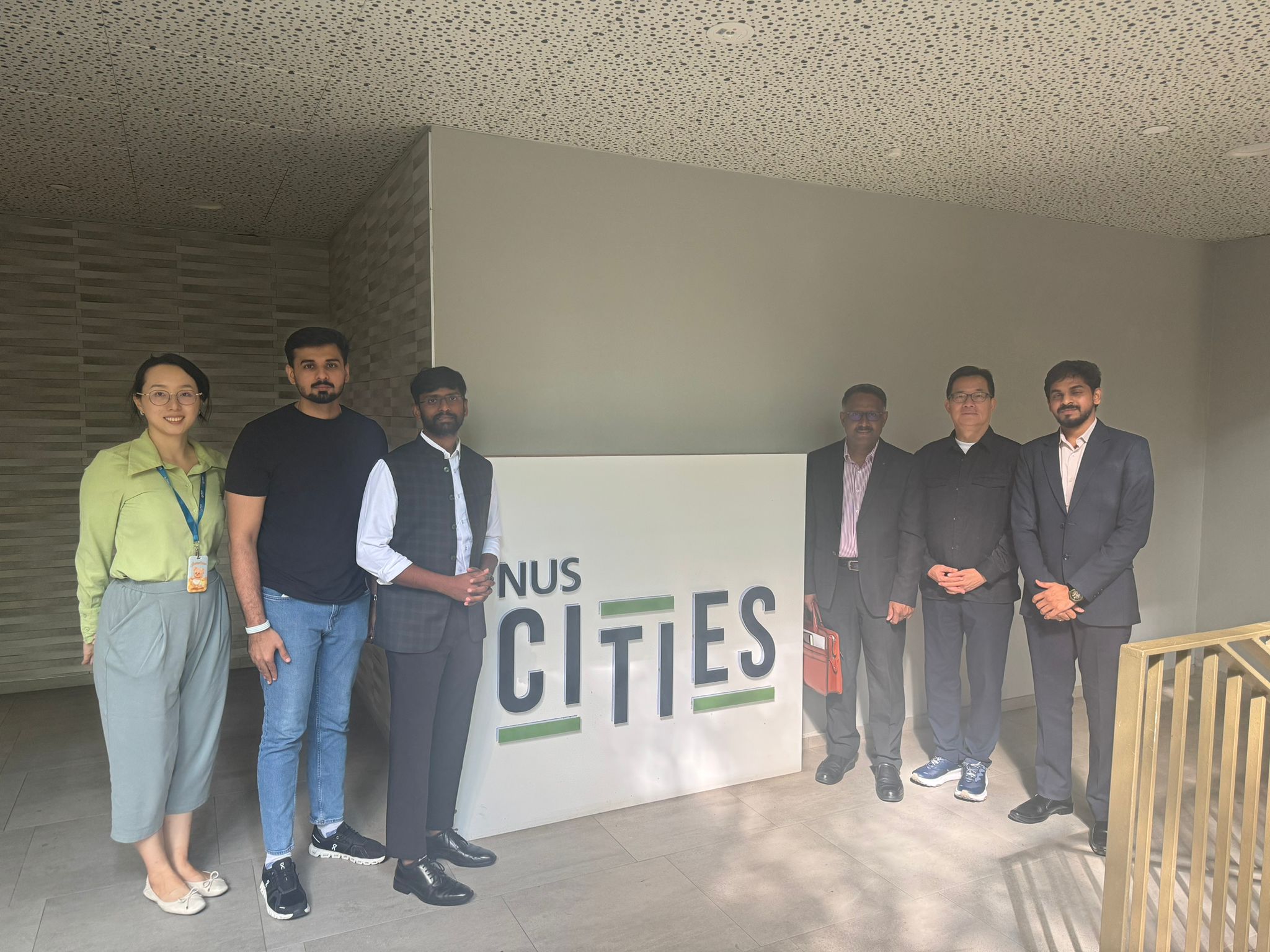
The delegation held a series of focused engagements with leading Singapore-based institutions, including NUS Cities of the National University of Singapore, Surbana Jurong Innovation Hub in the Jurong Innovation District, and the Tuas South Incineration Plant operated under Singapore’s integrated waste management framework. The visit was aimed at studying practical models that can support Andhra Pradesh’s ongoing urban transformation, particularly in the context of Amaravati capital city development, regional urban planning, sustainable infrastructure, municipal service delivery and waste-to-energy initiatives.
At NUS Cities, the delegation explored possibilities for a knowledge partnership in the areas of urban planning, urban design, urban systems, climate resilience, governance, capacity building and data-driven city management. NUS Cities, as a platform of the National University of Singapore, brings together expertise across urban planning, architecture, engineering, climate science, data science, economics and governance. Discussions focused on how such multidisciplinary expertise can be leveraged for Amaravati, which is one of the few large-scale greenfield capital city projects in the world.
The delegation highlighted that Amaravati presents a rare opportunity to integrate land use, mobility, housing, environment, economy, governance, education and technology from the early stages of city development. Potential areas of collaboration discussed included establishment of an Urban Futures Lab, executive training programmes for urban leaders and technical teams, climate resilience studies, urban analytics, digital twin applications, predictive planning systems and research partnerships with institutions located in and around Amaravati.
The engagement with NUS Cities assumes significance as Andhra Pradesh is seeking to build Amaravati not merely as an administrative capital, but as a future-ready, climate-resilient, knowledge-driven and globally competitive city. The proposed collaboration is expected to help bring international academic depth, research-based planning support and executive capacity building to APCRDA, MA&UD Department, urban local bodies, planners and engineers involved in the State’s urban development agenda.
The delegation also visited the Surbana Jurong Innovation Hub located in the Jurong Innovation District. The visit focused on understanding Singapore’s approach to integrating land-use planning with economic development, sustainability, smart infrastructure and innovation-led urban growth. Surbana Jurong’s campus has been developed as a “living lab” to demonstrate how emerging technologies can be tested, monitored and scaled for the built environment sector.
The Surbana Jurong model provided important insights into the design of sustainable and people-centric workplaces, intelligent building systems, energy-efficient infrastructure, green building practices, smart monitoring systems and long-term maintainability of public infrastructure. The campus integrates passive design, envelope optimisation, underfloor air distribution, occupancy sensors, bifacial solar panels, intelligent building management systems and biophilic design principles. Such learnings are particularly relevant for Andhra Pradesh as the State advances Amaravati, urban redevelopment projects, growth centres, public buildings, innovation districts and large-scale infrastructure projects.
The discussions with Surbana Jurong also covered the broader theme of how planned urban development can be aligned with economic growth, job creation, sustainability and infrastructure efficiency. The delegation observed that the experience of the Jurong Innovation District and Surbana Jurong’s integrated planning approach could provide valuable inputs for developing Amaravati and other urban regions as engines of economic development, investment and innovation.
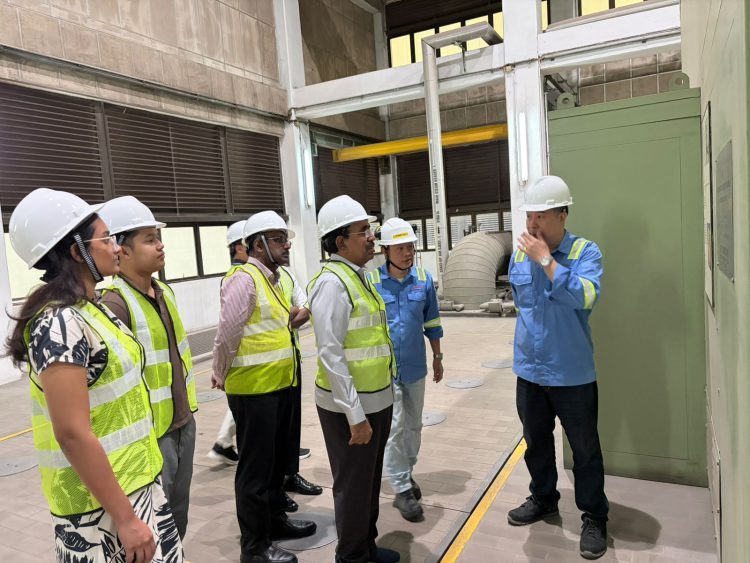
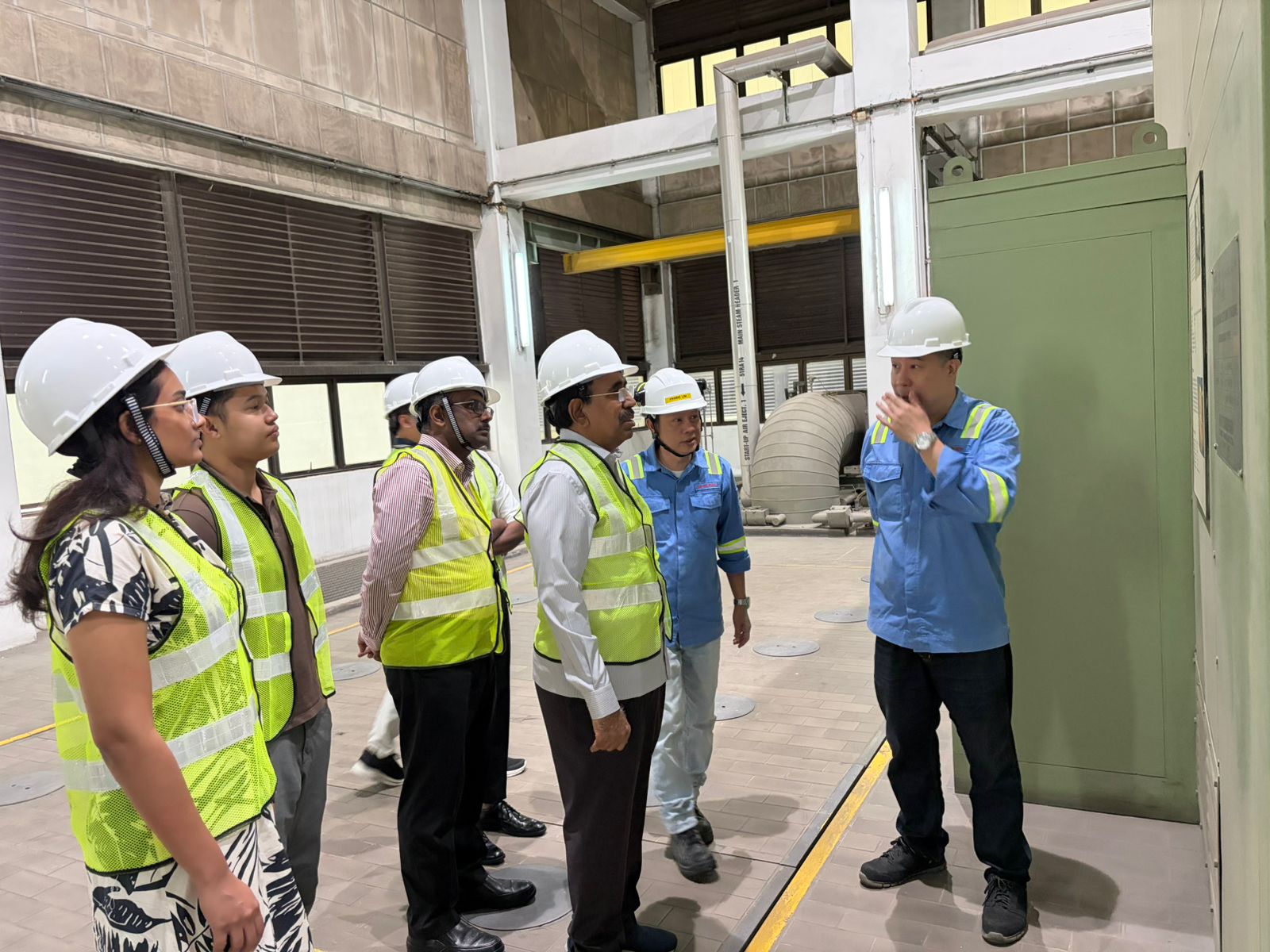
As part of the study of scientific municipal solid waste management, the delegation visited the Tuas South Incineration Plant and held discussions with Dr Benjamin Koh, Interim Chief Executive Officer of Singapore’s National Environment Agency, along with members of the NEA Board and senior officials. The visit focused on Singapore’s integrated approach to waste collection, incineration, waste-to-energy conversion, ash management, scrap recovery, environmental safeguards and plant-level operational efficiency.
The Tuas South facility offered practical insights into the functioning of a large-scale waste-to-energy plant, including operation of multiple incinerators at high temperatures, steam-based power generation, turbine systems, ash handling, scrap recovery and disposal protocols. The delegation examined the relevance of these systems for Andhra Pradesh’s urban local bodies, especially in the context of improving municipal solid waste management, reducing landfill dependency, strengthening waste-to-energy projects and adopting more scientific and environmentally responsible disposal practices.
Speaking on the occasion, Hon’ble Minister for Municipal Administration & Urban Development Sri Ponguru Narayana stated that the Government of Andhra Pradesh is committed to building clean, green, sustainable and economically productive cities. He said that under the leadership of Hon’ble Chief Minister Sri N. Chandrababu Naidu, the State is pursuing a clear vision to develop Amaravati and other cities with world-class standards, while ensuring that urban development remains people-centric, environmentally responsible and economically meaningful.
The Hon’ble Minister Sri Ponguru Narayanaobserved that Singapore’s experience demonstrates the importance of integrated planning, disciplined execution, institutional coordination and long-term urban governance. He stated that the MA&UD Department would carefully examine the learnings from the visit and adapt suitable models to the requirements of Andhra Pradesh, particularly in areas such as Amaravati capital city development, planned urban expansion, sustainable infrastructure, solid waste management and waste-to-energy.
Principal Secretary to Government, MA&UD Department, Sri S. Suresh Kumar, IAS, stated that the visit has provided highly relevant and actionable insights for Andhra Pradesh’s urban development priorities. He said that the engagements with NUS Cities, Surbana Jurong and the National Environment Agency have opened up strong possibilities for institutional collaboration, technical knowledge exchange and capacity building.
Sri S. Suresh Kumar further stated that Amaravati provides a unique opportunity to apply global best practices from the beginning and to build a capital city that integrates land use, mobility, environment, water systems, economic development, digital governance and citizen services in a comprehensive manner. He noted that partnerships with reputed institutions can help the State strengthen planning quality, improve project preparation, build technical capacity and introduce innovative tools such as urban observatories, climate resilience frameworks, digital twins and data-driven decision-making systems.
He also emphasised that waste management is a critical urban priority and that Singapore’s experience in waste-to-energy, incineration, resource recovery and environmental compliance offers important lessons for Andhra Pradesh. He said the Department will identify specific areas where the learnings can be translated into policy actions, pilot projects, technical collaborations and capacity-building programmes.
The institutions visited by the delegation expressed interest in exploring possible areas of partnership with the MA&UD Department. These partnerships could include technical advisory support, research collaboration, capacity building, pilot studies, urban innovation programmes, sustainable infrastructure planning and waste management knowledge exchange. The MA&UD Department will undertake further consultations to identify appropriate collaboration models and implementation pathways.
The visit assumes particular significance at a time when Andhra Pradesh is advancing several major urban initiatives, including the development of Amaravati, strengthening of urban infrastructure, promotion of planned urban growth, improvement of municipal services, development of climate-resilient infrastructure, and scientific management of solid waste. The exposure to Singapore’s globally recognised urban systems is expected to support the State in refining its planning frameworks, improving institutional capacity and accelerating implementation of high-quality urban projects.
The MA&UD Department will take forward the outcomes of the visit through detailed internal review, engagement with agencies, and preparation of actionable proposals for knowledge partnerships, pilot initiatives and capacity-building programmes. The visit marks an important step in aligning Andhra Pradesh’s urban development agenda with international best practices and the Hon’ble Chief Minister’s vision of building a modern, sustainable and globally competitive State.
సింగపూర్లో మంత్రి నారాయణ పర్యటన.
- సింగపూర్లోని అతిపెద్ద వేస్ట్ టు ఎనర్జీ కేంద్రం తువాస్ సౌత్ ఇన్సినరేషన్ ప్లాంట్ సందర్శన
- జురాంగ్ లేక్ గార్డెన్స్లోని జపనీస్ గార్డెన్ పరిశీలన
- సింగపూర్ పర్యటన ముగించుకుని తదుపరి కార్యక్రమాల కోసం మలేషియాకు బయలుదేరిన మంత్రి నారాయణ
అమరావతి/సింగపూర్:
అమరావతితో పాటు రాష్ట్రంలోని పట్టణ ప్రాంతాల్లో ఆధునిక పట్టణాభివృద్ధి, పర్యావరణ పరిరక్షణ, ఘన వ్యర్థాల నిర్వహణ వ్యవస్థలను మరింత మెరుగుపరిచే లక్ష్యంతో సింగపూర్లో పర్యటిస్తున్న పురపాలక, పట్టణాభివృద్ధి శాఖ మంత్రి పొంగూరు నారాయణ అక్కడ అమలవుతున్న అత్యాధునిక విధానాలను అధ్యయనం చేశారు.
పర్యటనలో భాగంగా మంత్రి నారాయణ సింగపూర్లోని మెరీనా బే శాండ్స్లో ఉన్న సింగపూర్ నేషనల్ ఎన్విరాన్మెంట్ ఏజెన్సీ (NEA) కార్యాలయాన్ని సందర్శించారు. ఈ సందర్భంగా అధికారులు మంత్రికి ఘన స్వాగతం పలికారు. అనంతరం NEA డైరెక్టర్ కోలిన్ గూతో సమావేశమైన మంత్రి, పర్యావరణ పరిరక్షణ, నగర పరిశుభ్రత, ఘన వ్యర్థాల నిర్వహణ, ప్రజల భాగస్వామ్యంతో అమలవుతున్న కార్యక్రమాలపై వివరాలు తెలుసుకున్నారు.
తదుపరి మంత్రి నారాయణ, మున్సిపల్ శాఖ ముఖ్య కార్యదర్శి సురేష్ కుమార్తో కలిసి తువాస్ సౌత్ ఇన్సినరేషన్ ప్లాంట్ను సందర్శించారు. సింగపూర్లోని అతిపెద్ద వేస్ట్ టు ఎనర్జీ ప్లాంట్గా ఉన్న ఈ కేంద్రంలో ఘన వ్యర్థాలను శాస్త్రీయంగా నిర్వహించి విద్యుత్ ఉత్పత్తి చేసే విధానాన్ని పరిశీలించారు. ప్లాంట్ నిర్వహణ, సాంకేతిక పరిజ్ఞానం, పర్యావరణ ప్రమాణాల అమలుపై అధికారులతో చర్చించారు.
ఈ సందర్భంగా వేస్ట్ టు ఎనర్జీ ప్లాంట్ల ద్వారా ఘన వ్యర్థాల నిర్వహణలో సింగపూర్ అనుసరిస్తున్న విధానాలను అధ్యయనం చేసిన మంత్రి, రాష్ట్రంలోని పట్టణ ప్రాంతాల్లో వాటి అమలు అవకాశాలపై అధికారులతో అభిప్రాయాలు పంచుకున్నారు.
అనంతరం పశ్చిమ సింగపూర్లోని జురాంగ్ లేక్ గార్డెన్స్ పరిధిలో ఉన్న జపనీస్ గార్డెన్ను సందర్శించిన మంత్రి, అక్కడి పార్కుల రూపకల్పన, నిర్వహణ, హరిత వాతావరణ పరిరక్షణకు చేపడుతున్న చర్యలను పరిశీలించారు.
ఈ సందర్భంగా అమరావతితో పాటు రాష్ట్రంలోని మున్సిపల్ కార్పొరేషన్లలో పార్కుల అభివృద్ధి, హరిత ప్రాంతాల విస్తరణ, ప్రజలకు మెరుగైన వినోద వసతుల కల్పన అంశాలపై సింగపూర్ అధికారులతో చర్చించారు.
ప్రపంచ స్థాయి ప్రమాణాలతో పార్కుల అభివృద్ధికి అనుసరించాల్సిన విధానాలపై అభిప్రాయాలు మార్పిడి చేసుకున్నారు. సింగపూర్ పర్యటన కార్యక్రమాలను ముగించుకున్న మంత్రి నారాయణ తదుపరి అధ్యయన పర్యటన కోసం మలేషియాకు బయలుదేరారు. రేపు మలేషియాలోని పలు ప్రాంతాలను సందర్శించి పట్టణాభివృద్ధి, మౌలిక సదుపాయాలు, పర్యావరణ నిర్వహణకు సంబంధించిన ప్రాజెక్టులను పరిశీలించనున్నారు.