

































పునాదిలోనే లోపాలు – అమరావతి భూ సమీకరణ నమూనాలో సవాళ్లు
అమరావతి :
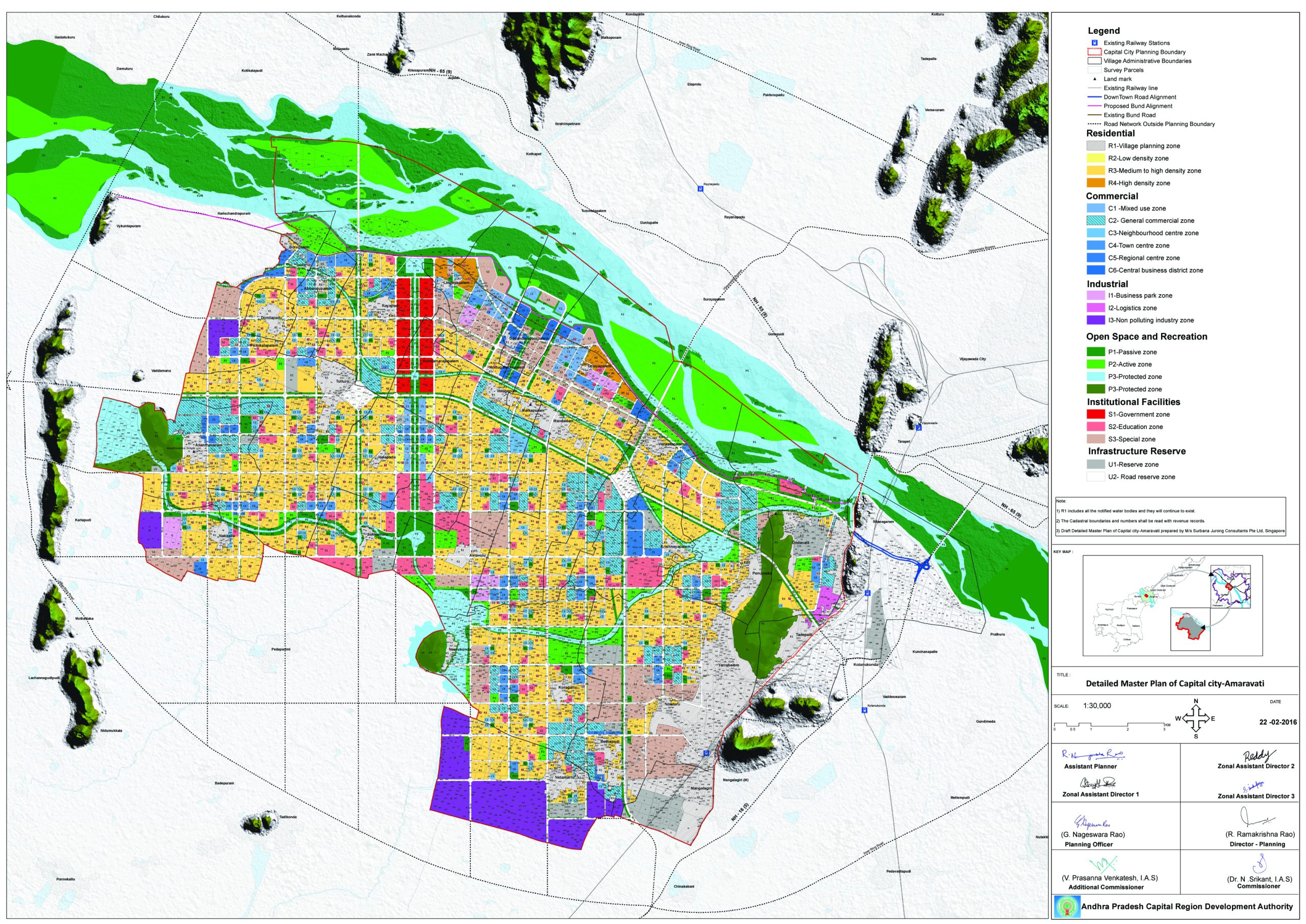
ఆంధ్రప్రదేశ్ ప్రభుత్వం నవ్యాంధ్ర రాజధాని అమరావతి నిర్మాణం కోసం ఎపిసిఆర్డిఎ (APCRDA) చట్టం కింద 33,000 ఎకరాలకు పైగా భూమిని సేకరించడానికి ప్రతిపాదించిన ‘స్వచ్ఛంద భూ సమీకరణ విధానం’ (LPS) ప్రపంచవ్యాప్తంగా ప్రశంసలు అందుకుంది. సాధారణ భూసేకరణ పద్ధతిలో ఉండే చట్టపరమైన చిక్కులు, భారీ ఖర్చు, కాలయాపన వంటి సమస్యలను అధిగమిస్తూ.. రైతులకు అభివృద్ధి చేసిన ప్లాట్లు, వార్షిక కౌలును ఆఫర్ చేయడం ద్వారా ప్రభుత్వం ఒక వినూత్న ముందడుగు వేసింది. అయితే, గత దశాబ్ద కాలంగా క్షేత్రస్థాయిలో జరిగిన పరిణామాలు, రాజకీయ అనిశ్చితి, మారుతున్న పరిస్థితులు ఈ విధానంలోని తీవ్రమైన వ్యవస్థాగత లోపాలను బయటపెట్టాయి. ఇది పట్టణ ప్రణాళికా రంగంలో ఒక హెచ్చరికగా నిలిచింది.
అమరావతి నమూనాలో ఉన్న అతిపెద్ద బలహీనత —
రాజకీయ అనిశ్చితి, ప్రభుత్వాల విధానాల మార్పులకు ఇది తీవ్రంగా ప్రభావితం కావడం. సాధారణ భూసేకరణలో పరిహారం చెల్లించగానే భూమిపై యాజమాన్య హక్కులు శాశ్వతంగా ప్రభుత్వానికి బదిలీ అవుతాయి. కానీ భూ సమీకరణ అనేది పౌరుడికి, ప్రభుత్వానికి మధ్య ఒక దీర్ఘకాలిక భాగస్వామ్యం. ప్రభుత్వం మారినప్పుడు (గతంలో టిడిపి, వైఎస్సార్సిపి ప్రభుత్వాల మధ్య జరిగిన అధికార మార్పిడిలాగా) ప్రాజెక్టు మొత్తం స్తంభించిపోయే ప్రమాదం ఉంది. రాజధాని ప్రాజెక్టు ఏళ్ల తరబడి నిలిచిపోవడంతో, భూములిచ్చిన రైతులు తీవ్ర నష్టాన్ని చవిచూశారు. తమ ప్రధాన జీవనాధారమైన వ్యవసాయాన్ని కోల్పోయి, మౌలిక వసతులు లేని ఆ “నిర్జన నగరంలో” సరిహద్దులు కూడా తేలని ప్లాట్లను చేతపట్టుకుని తమ భవిష్యత్తు కోసం ఎదురుచూడాల్సిన పరిస్థితి ఏర్పడింది.
సామాజిక-ఆర్థిక అసమానతలు:
ఈ పథకం అందరికీ సమానమైన వృద్ధిని అందిస్తుందని హామీ ఇచ్చినప్పటికీ, గ్రామీణ సమాజంలోని వివిధ వర్గాల మధ్య ఉన్న తీవ్రమైన అసమానతలను ఇది స్పష్టం చేసింది
పట్టా భూములు వర్సెస్ అసైన్డ్ భూములు:
పరిహారం చెల్లింపు ఫ్రేమ్వర్క్లో తీవ్రమైన వ్యత్యాసాలు కనిపించాయి. రిజిస్టర్డ్ రియల్ ఎస్టేట్ యాజమాన్యం ఉన్న (పట్టా) రైతులకు ఒక ఎకరానికి కేటాయించిన అభివృద్ధి చేసిన కమర్షియల్, రెసిడెన్షియల్ ప్లాట్ల విస్తీర్ణం.. సమాజంలోని బలహీన వర్గాల వద్ద ఉన్న అసైన్డ్ భూములకు (ప్రభుత్వం పేదలకు ఇచ్చిన భూములు) ఇచ్చిన దానికంటే చాలా ఎక్కువగా ఉంది. ఈ వ్యత్యాసం నిర్మాణాత్మక, కుల ఆధారిత వివక్షకు దారితీసిందనే ఆరోపణలు వచ్చాయి.
భూమి లేని కూలీల దుస్థితి:
గ్రామీణ ఆర్థిక వ్యవస్థకు వెన్నెముకగా ఉన్న వ్యవసాయ కూలీలు, కౌలు రైతులు, చేతివృత్తుల వారు దీనివల్ల తీవ్రంగా దెబ్బతిన్నారు. భూ యజమానులకు వార్షిక కౌలు, విలువైన ప్లాట్లు దక్కినప్పటికీ, భూమి లేని పేదలు శాశ్వత ఉపాధిని కోల్పోయి, అరకొరగా అమలు జరిగిన స్వల్ప నెలవారీ పెన్షన్తోనే సరిపెట్టుకోవాల్సి వచ్చింది.
పాలనాపరమైన లోపాలు:
టాటా ఇన్స్టిట్యూట్ ఆఫ్ సోషల్ సైన్సెస్ (TISS) నిర్వహించిన సోషల్ ఆడిట్, అలాగే కంప్ట్రోలర్ అండ్ ఆడిటర్ జనరల్ (CAG) నివేదికలు.. భూ సమీకరణ ప్రాజెక్టుపై వేల కోట్ల రూపాయలు ఖర్చు చేసినప్పటికీ ప్రాథమిక లక్ష్యాలు ఇంకా నెరవేరలేదని, ఇది పాలనాపరమైన వైఫల్యాలను, వృధా ఖర్చులను సూచిస్తోందని స్పష్టం చేశాయి.
రియల్ ఎస్టేట్ ఊహాగానాలు – బలవంతపు చర్యలు
ఈ భూ సమీకరణకు రైతులు ‘స్వచ్ఛందంగా’ అంగీకరించాలనేది ల్యాండ్ పూలింగ్ ప్రధాన సూత్రం. అయితే, ప్రపంచ బ్యాంక్, ఆసియా డెవలప్మెంట్ బ్యాంక్ వంటి అంతర్జాతీయ సంస్థలకు అందిన ఫిర్యాదులు మరో నిజాన్ని వెల్లడించాయి. భూములివ్వడానికి ఇష్టపడని రైతులపై స్థానిక యంత్రాంగం ఒత్తిడి తెచ్చిందని, పోలీసు బలగాలను ఉపయోగించి సామాజికంగా భయబ్రాంతులకు గురిచేశారని ఆరోపణలు వచ్చాయి.
దీనికి తోడు, ఈ విధానం తీవ్రమైన రియల్ ఎస్టేట్ ఊహాగానాలకు (Speculation), ఇన్సైడర్ ట్రేడింగ్కు దారితీసింది. రాజధాని బ్లూప్రింట్ గురించిన సమాచారం ముందే తెలిసిన కొందరు వ్యక్తులు భారీగా భూములు కొనుగోలు చేసి లాభాలు గడించారు. దీనివల్ల ప్రజల కోసం ఉపయోగించాల్సిన భూసేకరణ సాధనం, కొంతమంది చేతుల్లో సంపద కేంద్రీకృతమవడానికి దారితీసింది.
మౌలిక వసతుల ఆలస్యం ఇలా !
వ్యవసాయ భూమి సమీకరణ ──> రాజకీయ మార్పు / ప్రాజెక్టు నిలిపివేత ──> భూమి విలువ పతనం ──> ప్లాట్ల కేటాయింపులో ఆలస్యం ──> ఉపాధి కోల్పోవడం ──> మౌలిక వసతుల ఆలస్యం
ముగింపు – ముందుకు సాగాల్సిన మార్గం
ప్రస్తుత ప్రభుత్వం రాజధాని ప్రాజెక్టును, భూ సమీకరణ తదుపరి దశలను వేగంగా ముందుకు తీసుకెళ్తున్న తరుణంలో, పాత లోపాలను నిర్లక్ష్యం చేయకూడదు. భూ సమీకరణ అనేది ప్రజలను నిరాశ్రయులను చేసే సాధనంగా కాకుండా, నిజమైన సంక్షేమానికి దారితీయాలంటే ప్రభుత్వం ఈ మూడు అంశాలకు ప్రాధాన్యత ఇవ్వాలి:
చట్టపరమైన హామీలు:
మౌలిక వసతుల కల్పన గడువుకు సంబంధించి ప్రభుత్వానికి చట్టపరమైన నిబంధనలు విధించాలి. తద్వారా భవిష్యత్తులో ప్రభుత్వాలు మారినా రైతుల ఆర్థిక మనుగడకు ఎలాంటి ముప్పు రాకుండా ఉంటుంది.
సమానమైన పరిహారం:
అసైన్డ్ భూములు కలిగిన పేదలకు కూడా సమానమైన ప్లాట్లను కేటాయించాలి. అలాగే ఉపాధి కోల్పోయిన భూమి లేని కూలీలకు దీర్ఘకాలిక నైపుణ్యాభివృద్ధి శిక్షణ, ప్రత్యామ్నాయ ఉపాధి అవకాశాలు కల్పించాలి.
పారదర్శకత – గ్రామసభలు: భూ సమీకరణను మరింత విస్తరించే ముందు పారదర్శకంగా గ్రామసభలు నిర్వహించి, ప్రజాభిప్రాయాన్ని సేకరించాలి. స్వతంత్ర సంస్థల ద్వారా సామాజిక ప్రభావ అంచనా (Social Impact Assessment) పరీక్షలు జరపాలి.
చివరగా, భూ సమీకరణ అంటే కేవలం భౌతికంగా భూమిని సేకరించడం మాత్రమే కాదు; అది మానవ గౌరవాన్ని, సామాజిక సమానత్వాన్ని కాపాడేదిగా ఉండాలి. ఈ లోపాలను సరిదిద్దడంలో ప్రభుత్వం విఫలమైతే, అమరావతి ప్రజల ఆకాంక్షల రాజధానిగా కాకుండా, కేవలం రియల్ ఎస్టేట్ వ్యాపార కేంద్రంగా మిగిలిపోయే ప్రమాదం ఉంది.
Flaws at the Foundation: Challenges in the Amaravati Land Pooling Model
The ‘Voluntary Land Pooling Scheme’ (LPS)—proposed by the Andhra Pradesh government under the APCRDA Act to acquire over 33,000 acres of land for the construction of Amaravati, the new capital of Andhra Pradesh—garnered global acclaim. By circumventing the issues inherent in conventional land acquisition methods—such as legal entanglements, exorbitant costs, and bureaucratic delays—the government took an innovative stride forward by offering farmers developed plots and an annual annuity payment. However, developments on the ground over the past decade—coupled with political uncertainty and shifting circumstances—have exposed severe systemic flaws within this mechanism. This serves as a cautionary tale within the realm of urban planning.
The most significant weakness inherent in the Amaravati model is its acute vulnerability to political instability and shifts in government policy. Under standard land acquisition procedures, ownership rights over the land are permanently transferred to the government immediately upon the disbursement of compensation. Land pooling, conversely, constitutes a long-term partnership between the citizen and the state. Consequently, whenever there is a change in government (much like the transition of power witnessed between the TDP and YSRCP administrations in the past), there looms a distinct risk that the entire project could grind to a complete halt. With the capital city project remaining stalled for years on end, the farmers who surrendered their lands have suffered severe financial losses. Having lost agriculture—their primary source of livelihood—they found themselves in a situation where they had to await their future in that “desolate city” (devoid of basic infrastructure), holding nothing but land plots with undefined boundaries.
**Socio-Economic Inequalities:**
Although this scheme promised to deliver equitable growth for all, it starkly exposed the deep-seated inequalities existing among various sections of the rural community.
**Patta Lands vs. Assigned Lands:**
Significant disparities were observed within the compensation framework. The extent of developed commercial and residential plots allocated per acre to farmers holding registered land titles (*Patta* lands) was substantially greater than that allocated for *Assigned* lands (lands granted by the government to the poor), which were typically held by the weaker sections of society. Allegations arose that this disparity amounted to systemic, caste-based discrimination.
**The Plight of Landless Laborers:**
Agricultural laborers, tenant farmers, and artisans—who serve as the backbone of the rural economy—were severely impacted by this initiative. While land owners received annual lease payments and valuable land plots, the landless poor lost their permanent employment and were left to subsist on a meager monthly pension, the implementation of which was often erratic. Administrative Lapses:
A social audit conducted by the Tata Institute of Social Sciences (TISS), as well as reports from the Comptroller and Auditor General (CAG), have made it clear that—despite the expenditure of thousands of crores of rupees on the land pooling project—its primary objectives remain unfulfilled. These findings point to significant administrative failures and wasteful expenditure.
Real Estate Speculation – Coercive Measures
A fundamental principle of land pooling is that farmers must agree to surrender their land ‘voluntarily.’ However, complaints received by international institutions—such as the World Bank and the Asian Development Bank—have revealed a different reality. Allegations have surfaced that local authorities exerted pressure on farmers who were unwilling to part with their land, and even utilized police forces to subject them to social intimidation.
Furthermore, this policy has led to rampant real estate speculation and insider trading. Certain individuals, who possessed prior knowledge regarding the blueprint for the new capital city, purchased vast tracts of land and subsequently reaped substantial profits. Consequently, a land acquisition mechanism intended for the public good has instead resulted in the concentration of wealth in the hands of a select few.
Delays in Infrastructure Development: A Closer Look! Land Pooling ──> Political Change / Project Stoppage ──> Decline in Land Value ──> Delays in Plot Allotment ──> Loss of Livelihood ──> Delays in Infrastructure Development
Conclusion – The Way Forward
At a time when the current government is rapidly advancing the capital city project and the subsequent phases of land pooling, past shortcomings must not be overlooked. To ensure that land pooling serves as a pathway to genuine welfare—rather than merely a tool for displacing people—the government must prioritize the following three aspects:
Legal Guarantees: Legal stipulations must be imposed upon the government regarding deadlines for infrastructure development. This ensures that the economic survival of farmers remains unthreatened, even in the event of future changes in government.
Equitable Compensation: Equal plots must be allotted even to the poor who hold assigned lands. Furthermore, landless laborers who have lost their livelihoods must be provided with long-term skill development training and alternative employment opportunities.
Transparency – Gram Sabhas: Before further expanding the scope of land pooling, transparent *Gram Sabhas* (village assemblies) must be conducted to gather public opinion. Social Impact Assessment studies should be carried out through independent agencies.
Ultimately, land pooling is not merely about the physical acquisition of land; it must serve to uphold human dignity and social equity. If the government fails to rectify these flaws, there is a risk that Amaravati will remain merely a real estate business hub, rather than the capital that embodies the aspirations of its people.