బెజవాడ బాద్ షా ఎవరు ?
- బెజవాడ మేయర్ పోరు:
- కూటమి ఐక్యతకు అసలైన పరీక్ష!
- తెరవెనుక రాజకీయ సమీకరణాలపై ఉత్కంఠ..
- ఓట్ల బదిలీతోనే గెలుపు తీరం!
- రాధా రాజకీయ వారసత్వం..
- భాగ్యలక్ష్మి పాలనా అనుభవం..
- ఏబీవీ స్వతంత్ర వ్యూహం !
విజయవాడ :
విజయవాడ నగర మేయర్ పీఠం చుట్టూ రాజకీయ వేడి పెరుగుతోంది. అభ్యర్థుల బలాబలాలు, పార్టీల మధ్య సమన్వయం, సామాజిక సమీకరణాలు, స్థానిక నాయకుల ప్రభావం.. ఇలా అనేక అంశాలు ఈ పోరును ఆసక్తికరంగా మారుస్తున్నాయి. పైకి కనిపిస్తున్నది అభ్యర్థుల మధ్య పోటీ అయినప్పటికీ, తెరవెనుక రాజకీయ లెక్కలు, పార్టీల అంతర్గత వ్యూహాలు, ఓటర్లను తమవైపు తిప్పుకునే ప్రయత్నాలు ఫలితాన్ని ప్రభావితం చేసే అవకాశముంది.
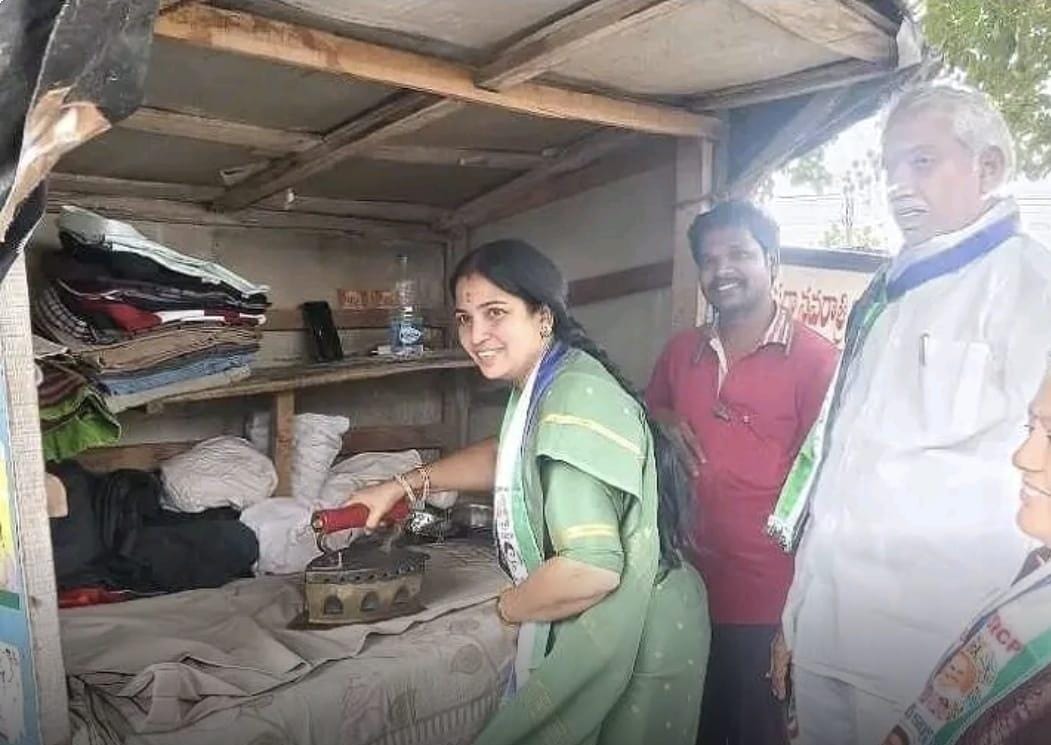
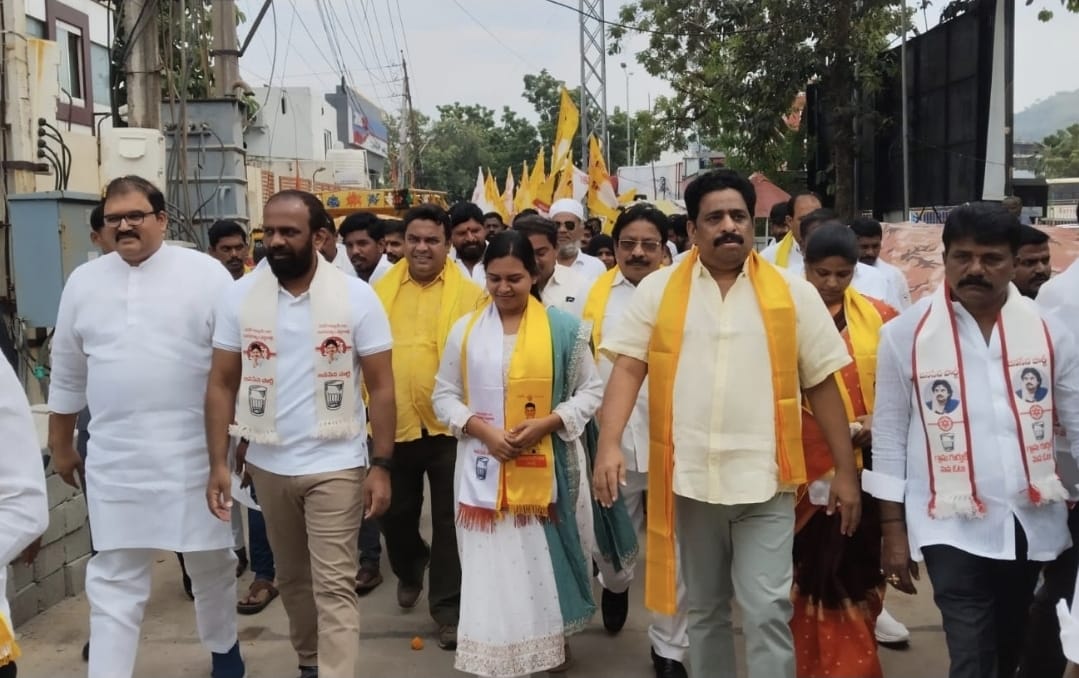
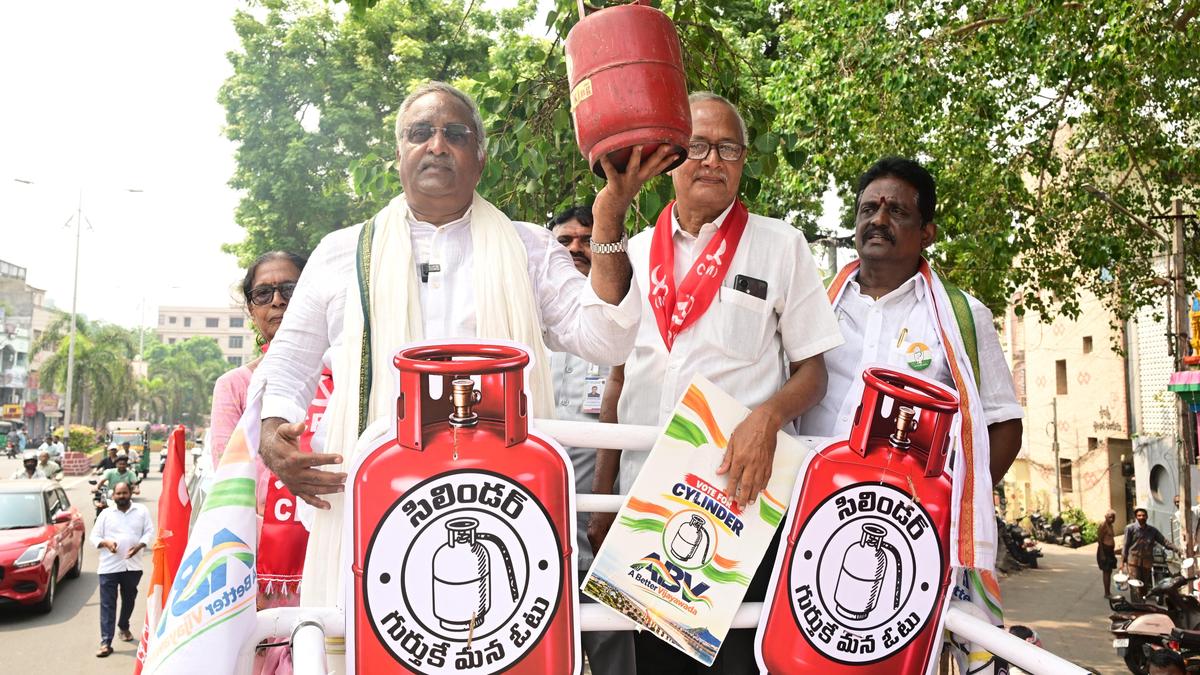
మేయర్ పీఠాన్ని జనసేనకు కేటాయించడం, వంగవీటి రాధాకృష్ణ అభ్యర్థిత్వం కూటమి రాజకీయాల్లో కొత్త చర్చకు తెరలేపాయి. మరోవైపు, గతంలో మేయర్గా పనిచేసిన రాయన భాగ్యలక్ష్మి వైకాపా అభ్యర్థిగా బరిలో ఉండటం, కాంగ్రెస్, సీపీఐ, సీపీఎం మద్దతుతో విశ్రాంత ఐపీఎస్ అధికారి ఏబీ వెంకటేశ్వరరావు స్వతంత్ర అభ్యర్థిగా పోటీలో నిలవడం సమీకరణాలకు మరింత ప్రాధాన్యం తెచ్చాయి.
నగరపాలక సంస్థలోని 86 డివిజన్ల కార్పొరేటర్ స్థానాలకు 349 మంది అభ్యర్థులు పోటీపడుతుండగా, మేయర్ పదవికి 19 మంది బరిలో ఉన్నారు. ఇంతమంది అభ్యర్థుల మధ్య పోటీ జరుగుతుండటంతో స్థానిక నాయకుల ప్రభావం, ఓట్ల చీలిక, పార్టీల మధ్య సమన్వయం కీలకంగా మారాయి.
కూటమి సీట్ల సర్దుబాటు.. ఐక్యతకు అగ్నిపరీక్ష!
86 డివిజన్లలో కూటమి పార్టీల మధ్య సీట్ల పంపకం ఎన్నికల రాజకీయాల్లో ప్రధాన చర్చనీయాంశంగా నిలిచింది. తొలుత ప్రకటించిన సర్దుబాటు ప్రకారం తెలుగుదేశం పార్టీకి 57, జనసేనకు 20, భారతీయ జనతా పార్టీకి 9 స్థానాలు కేటాయించినట్లు వార్తలు వెలువడ్డాయి. అయితే, తుది దశలో బరిలో ఉన్న అభ్యర్థుల వివరాల్లో టీడీపీ 58, జనసేన 21, బీజేపీ 9 స్థానాల్లో పోటీ చేస్తున్నట్లు పేర్కొనడం ఆసక్తిని రేకెత్తించింది.
ముఖ్యంగా 28, 40 డివిజన్లలో జనసేన, బీజేపీ అభ్యర్థులు పరస్పరం పోటీలో ఉండటం కూటమి సమన్వయంపై ప్రశ్నలను లేవనెత్తుతోంది. సీట్ల పంపకం సమయంలో కుదిరిన అవగాహన క్షేత్రస్థాయిలో ఎంతవరకు అమలవుతోంది? ఒకే కూటమిలోని అభ్యర్థులు ఎదురెదురుగా పోటీపడుతున్న చోట కార్యకర్తలు ఎవరికి మద్దతు ఇస్తారు? స్థానిక నాయకులు ఉమ్మడి వ్యూహానికి కట్టుబడి ఉంటారా? అన్న ప్రశ్నలు ప్రాధాన్యం సంతరించుకున్నాయి.
సీట్ల సర్దుబాటులో ఏర్పడిన అసంతృప్తులు పూర్తిగా సమసిపోయాయా లేదా అన్నది కూడా కీలకం. టికెట్ ఆశించి నిరాశ చెందిన నాయకులు, స్వతంత్రంగా బరిలో ఉన్న స్థానిక నేతలు, తమకు ప్రాధాన్యం దక్కలేదని భావిస్తున్న కార్యకర్తల వైఖరి ఎన్నికల ఫలితాలపై ప్రభావం చూపవచ్చు. అధికారికంగా కూటమి నిర్ణయాన్ని అంగీకరించడం ఒకటైతే, క్షేత్రస్థాయిలో అదే ఉత్సాహంతో పనిచేయడం మరో అంశం.
టీడీపీ సంప్రదాయ ఓటర్లు, జనసేనకు మద్దతు ఇచ్చే యువత, బీజేపీ అనుకూల ఓటర్లు ఉమ్మడి అభ్యర్థి వైపు ఎంతవరకు మళ్లుతారన్నదే అసలు పరీక్ష. పొత్తు ఉన్నంత మాత్రాన ఓట్లన్నీ బదిలీ అవుతాయని భావించలేం. స్థానిక అభ్యర్థి పట్ల ఉన్న అంగీకారం, నాయకుల మధ్య సంబంధాలు, ప్రచారంలో కార్యకర్తల భాగస్వామ్యం, గతంలో ఏర్పడిన విభేదాలు ఈ ప్రక్రియను ప్రభావితం చేస్తాయి.
వంగవీటి రాధాకృష్ణకు వారసత్వమే బలమా?
జనసేన అభ్యర్థిగా వంగవీటి రాధాకృష్ణ బరిలో ఉండటం ఈ ఎన్నికకు ప్రత్యేక రాజకీయ ప్రాధాన్యం తెచ్చింది. దివంగత ప్రజానాయకుడు వంగవీటి మోహనరంగారావు వారసుడిగా రాధాకృష్ణకు విజయవాడ రాజకీయాల్లో ప్రత్యేక గుర్తింపు ఉంది. తండ్రి రాజకీయ వారసత్వం, ప్రజల్లో ఉన్న పరిచయం, అనుచర వర్గం ఆయనకు అనుకూలంగా మారగల అంశాలుగా పరిగణించవచ్చు.
అయితే, వారసత్వ గుర్తింపు ఒక్కటే ఎన్నికల్లో విజయాన్ని ఖాయం చేయదు. నగరంలోని వివిధ ప్రాంతాల్లో స్థానిక సమస్యలపై ఆయన స్పందన, ప్రజలకు అందుబాటులో ఉండే తీరు, కూటమి పార్టీలతో సమన్వయం, డివిజన్ల వారీగా ప్రచార వ్యవస్థను సమర్థంగా నడిపించడం కూడా అంతే ముఖ్యమైనవి.
రాధాకృష్ణ అభ్యర్థిత్వాన్ని జనసేన బలాన్ని విస్తరించే అవకాశంగా కొందరు చూస్తుండగా, కూటమి భాగస్వామ్య పార్టీల ఓట్లను ఆయన ఎంత సమర్థంగా తనవైపు మళ్లించుకోగలరన్నదే ప్రధాన ప్రశ్నగా మారింది. కాపు సామాజిక వర్గంలో ఆయనకు ఉన్న గుర్తింపు చర్చలో ఉన్నప్పటికీ, ఆ వర్గంలోని ఓటర్లందరూ ఒకే నిర్ణయం తీసుకుంటారని భావించడం సరికాదు.
మేయర్ అభ్యర్థిగా రాధాకృష్ణకు లభించే మద్దతు కార్పొరేటర్ అభ్యర్థుల పనితీరుతోనూ ముడిపడి ఉంటుంది. డివిజన్లలో స్థానిక నాయకుల మధ్య విభేదాలు కొనసాగితే, మేయర్ అభ్యర్థికి ఉన్న వ్యక్తిగత ఆదరణ పూర్తిస్థాయిలో ఓట్లుగా మారకపోవచ్చు. అందువల్ల కూటమి నాయకత్వానికి ఐక్యతను కాపాడటం అత్యంత కీలకం.
భాగ్యలక్ష్మికి గత పాలనే గీటురాయి!
వైకాపా అభ్యర్థి రాయన భాగ్యలక్ష్మికి గత మేయర్ అనుభవం ప్రధాన రాజకీయ అంశం. గత పాలనలో నగరంలో చేపట్టిన అభివృద్ధి కార్యక్రమాలు, ప్రజలకు అందించిన సేవలు, పరిష్కరించిన సమస్యలను ఆమె తన ప్రచారంలో ముందుకు తీసుకురావడానికి అవకాశం ఉంది. అదే సమయంలో, ఇంకా పరిష్కారం కాని సమస్యలు, నగర ప్రజల్లో ఉన్న అసంతృప్తి, గత పాలనపై ఉన్న విమర్శలు కూడా ఆమెకు ఎదురయ్యే ప్రశ్నలుగా మారవచ్చు.
మేయర్గా పనిచేసిన అనుభవం నగర పాలనపై అవగాహనను అందించిందనే అంశాన్ని వైకాపా బలంగా ప్రస్తావించవచ్చు. ఏ పనులు పూర్తయ్యాయి? ఏ సమస్యలు ఇంకా పెండింగ్లో ఉన్నాయి? వాటికి భవిష్యత్తులో ఎలాంటి పరిష్కారాలు చూపుతారు? అనే అంశాలపై స్పష్టమైన సమాధానాలు ఇవ్వడం ఆమెకు అవసరం.
అయితే, గత పాలనలో చేపట్టిన పనులపై ప్రజల అభిప్రాయాలు ప్రాంతాన్ని బట్టి మారవచ్చు. ఒక ప్రాంతంలో అభివృద్ధిగా కనిపించిన పని, మరో ప్రాంతంలో ప్రజల అవసరాలను తీర్చకపోవచ్చు. ముఖ్యంగా డ్రైనేజీ, తాగునీరు, రహదారులు, పారిశుద్ధ్యం, ట్రాఫిక్ వంటి రోజువారీ సమస్యల విషయంలో ప్రజల అనుభవమే రాజకీయ ప్రచారానికి కొలమానంగా మారుతుంది.
ప్రస్తుత ప్రభుత్వంపై ప్రజల్లో ఉన్న అభిప్రాయాలు తమకు అనుకూలంగా మారుతాయని వైకాపా ఆశించవచ్చు. కానీ ప్రభుత్వంపై అసంతృప్తి ఉంటే అది ఎంత విస్తృతంగా ఉంది? ఆ అసంతృప్తి మేయర్ ఎన్నికలో వైకాపాకు ఓట్లుగా మారుతుందా? అన్నవి పరిశీలించాల్సిన ప్రశ్నలు. ప్రభుత్వంపై అసంతృప్తి ఉన్నప్పటికీ, స్థానిక అభ్యర్థుల ఎంపిక, పార్టీ సంస్థాగత బలం, ప్రత్యర్థుల మధ్య ఓట్ల చీలిక వంటి అంశాలు తుది ఫలితాన్ని ప్రభావితం చేయగలవు.
ఏబీ వెంకటేశ్వరరావు పోటీ.. మారుతున్న రాజకీయ లెక్కలు!
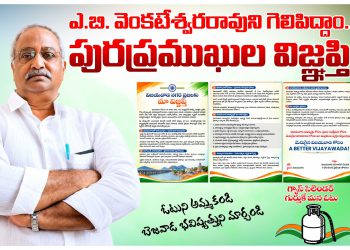
విశ్రాంత ఐపీఎస్ అధికారి ఏబీ వెంకటేశ్వరరావు స్వతంత్ర అభ్యర్థిగా పోటీలో ఉండటం మేయర్ ఎన్నికకు మరో కోణాన్ని జోడించింది. కాంగ్రెస్, సీపీఐ, సీపీఎం మద్దతు ఆయన పోటీకి రాజకీయ ప్రాధాన్యం తెచ్చిన అంశం. పోలీసు శాఖలో పనిచేసిన అనుభవం, పరిపాలనా నేపథ్యం, వ్యవస్థల పనితీరుపై అవగాహనను ఆయన తన ప్రచారంలో ప్రస్తావించే అవకాశం ఉంది.
పారదర్శక పాలన, అవినీతి నిరోధం, ప్రజా సమస్యలకు బాధ్యతాయుత పరిష్కారం వంటి అంశాలను ముందుకు తెచ్చే అభ్యర్థికి ఓటర్లు ఎంతవరకు ఆదరణ చూపుతారన్నది ఆసక్తికరంగా మారింది. సంప్రదాయ పార్టీ రాజకీయాలపై అసంతృప్తితో ఉన్నవారు, పాలనలో మార్పును కోరుకునేవారు, వ్యక్తిగత ప్రతిష్ఠకు ప్రాధాన్యం ఇచ్చే ఓటర్లు ఆయన ప్రచారాన్ని ఎలా స్వీకరిస్తారన్నది గమనించాల్సి ఉంటుంది.
అయితే, పరిపాలనా అనుభవం ఎన్నికల విజయంగా మారాలంటే దానికి బలమైన క్షేత్రస్థాయి వ్యవస్థ తోడవ్వాలి. ప్రతి డివిజన్లో ఓటర్లతో అనుసంధానం, స్థానిక నాయకుల సహకారం, ప్రచార సందేశాన్ని ప్రజల్లోకి తీసుకెళ్లే సామర్థ్యం అవసరం. జాతీయ లేదా రాష్ట్రస్థాయి రాజకీయ గుర్తింపు ఉన్నంత మాత్రాన స్థానిక ఎన్నికల్లో ఓట్లు స్వయంచాలకంగా లభించవు.
ఏబీవీ పోటీ వల్ల ప్రధాన పార్టీల ఓట్లపై ఎలాంటి ప్రభావం పడుతుందన్నది కూడా చర్చనీయాంశం. ఆయనకు లభించే మద్దతు ఏ పార్టీ ఓటర్ల నుంచి వస్తుంది? అది ఏ ప్రాంతాల్లో కేంద్రీకృతమవుతుంది? వ్యక్తిగత ఆదరణ ఎంతవరకు ఓట్లుగా మారుతుంది? అనే అంశాలను పరిశీలించకుండా ఎవరికీ లాభం, ఎవరికి నష్టం అని ముందుగానే తేల్చడం సాధ్యం కాదు.
వైకాపా పరోక్ష సహకార ప్రచారం.. రాజకీయ వ్యూహమా?
ఏబీ వెంకటేశ్వరరావు పోటీ నేపథ్యంలో వైకాపాలోని కొందరు నాయకులు ఆయనకు పరోక్షంగా సహకరిస్తున్నారనే ప్రచారం రాజకీయ వర్గాల్లో వినిపిస్తున్నట్లు చర్చ జరుగుతోంది. అయితే, ఈ ఆరోపణను నిర్ధారించే స్వతంత్ర ఆధారాలు బహిరంగంగా లేనందున దీనిని వాస్తవంగా పరిగణించడానికి వీల్లేదు. అలాగే, కొందరు వ్యక్తుల చర్యలను మొత్తం పార్టీ అధికారిక వ్యూహంగా అభివర్ణించడం కూడా సమంజసం కాదు.
అయితే, ఈ ప్రచారం రాజకీయంగా ఎందుకు ప్రాధాన్యం సంతరించుకుందన్నది విశ్లేషించాల్సిన అంశం. ప్రధాన పోటీలో ఉన్న పార్టీల మధ్య ఓట్ల బదిలీ, ఓట్ల చీలిక, ప్రత్యర్థి అభ్యర్థి బలహీనతలను ఉపయోగించుకోవడం వంటి లెక్కలు స్థానిక ఎన్నికల్లో చర్చకు వస్తుంటాయి. ఒక అభ్యర్థికి లభించే అదనపు మద్దతు ప్రత్యర్థి ఓట్లను ప్రభావితం చేస్తుందని భావించే నాయకులు తమ రాజకీయ లెక్కలను మార్చుకోవచ్చు.
అయితే, రాజకీయ చర్చకు ఆధారాలు, నిర్ధారిత సమాచారం రెండూ వేర్వేరు. ఎవరు ఎవరికి మద్దతు ఇస్తున్నారు? ఆ మద్దతు వ్యక్తిగతమా, సంస్థాగతమా? దానికి బహిరంగ ప్రకటనలు, ప్రత్యక్ష చర్యలు లేదా విశ్వసనీయ ఆధారాలు ఉన్నాయా? అన్న అంశాలను బట్టి మాత్రమే స్పష్టమైన నిర్ధారణకు రావాలి.
ఈ నేపథ్యంలో ఏబీవీ పోటీని కేవలం వైకాపాకు అనుకూలమా, కూటమికి నష్టమా అనే ఒకే కోణంలో చూడలేం. ఆయనకు లభించే మద్దతు స్వతంత్ర ఓటర్ల నుంచి రావచ్చు; వివిధ పార్టీల అసంతృప్త వర్గాల నుంచి రావచ్చు; వ్యక్తిగత ప్రతిష్ఠ ఆధారంగా ఏర్పడవచ్చు. వాస్తవ ఓటింగ్ సరళి, డివిజన్ల వారీ ఫలితాలు వెల్లడైనప్పుడే ఈ పోటీ ప్రభావంపై స్పష్టత లభిస్తుంది.
సామాజిక సమీకరణాలు.. ఓటు మాత్రం వ్యక్తిగత నిర్ణయమే!
విజయవాడ రాజకీయాల్లో సామాజిక సమీకరణాలకు ప్రాధాన్యం ఉన్నప్పటికీ, ఎన్నికల ఫలితాలను కేవలం కుల సమీకరణాలతో వివరించడం సరైన పద్ధతి కాదు. వంగవీటి రాధాకృష్ణకు ఉన్న రాజకీయ వారసత్వం, కాపు సామాజిక వర్గంలో గుర్తింపు; భాగ్యలక్ష్మికి ఉన్న బీసీ ప్రాతినిధ్యం, వైకాపా సంస్థాగత మద్దతు; ఏబీవీకి ఉన్న పరిపాలనా నేపథ్యం, వ్యక్తిగత పరిచయాలు.. ఇవన్నీ రాజకీయ చర్చలో భాగం కావచ్చు.
ఏబీవీకి వివిధ సామాజిక వర్గాల్లో వ్యక్తిగత పరిచయాలు ఉన్నాయనే చర్చ ఉన్నప్పటికీ, వాటిని నేరుగా ఓట్లుగా అంచనా వేయడం సాధ్యం కాదు. సామాజిక వర్గాలన్నింటిలోనూ రాజకీయ అభిప్రాయాలు ఒకేలా ఉండవు. కుటుంబాల మధ్య భిన్నాభిప్రాయాలు, స్థానిక అభ్యర్థుల ప్రభావం, యువత ఆలోచనలు, వృత్తిపరమైన అవసరాలు, నగరాభివృద్ధిపై అంచనాలు ఓటింగ్ నిర్ణయాలను మార్చగలవు.
ప్రస్తుతం ఓటర్లు తమకు అందుబాటులో ఉండే నాయకుడు ఎవరు? తమ ప్రాంతంలో సమస్యలు పరిష్కరించగలిగే సామర్థ్యం ఎవరికి ఉంది? ఎన్నికల తర్వాత కూడా ప్రజలతో సంబంధాలు కొనసాగించే వ్యక్తి ఎవరు? అనే అంశాలకు ప్రాధాన్యం ఇస్తే, సంప్రదాయ సామాజిక లెక్కలు కొంతవరకు మారే అవకాశం ఉంటుంది.
అందువల్ల సామాజిక వర్గాల పేరుతో ముందస్తు అంచనాలు వేయడం కంటే, అభ్యర్థుల ప్రచారానికి లభిస్తున్న స్పందన, స్థానిక నాయకుల బలం, ఓటర్ల సమస్యలపై వారి వైఖరి వంటి అంశాల ఆధారంగా విశ్లేషించడం సముచితం.
డివిజన్ల వారీ బలాబలాలు.. స్థానిక నాయకులదే కీలక పాత్ర
నగరవ్యాప్త ప్రచారం ఎంత ఉత్సాహంగా సాగినా, స్థానిక ఎన్నికల్లో డివిజన్ల వారీగా ఉండే రాజకీయ పరిస్థితులు ఫలితాన్ని ప్రభావితం చేస్తాయి. ఒక ప్రాంతంలో బలంగా ఉన్న పార్టీ మరో ప్రాంతంలో బలహీనంగా ఉండవచ్చు. స్థానికంగా ప్రజలకు అందుబాటులో ఉన్న నాయకుడు, గతంలో చేసిన సేవలు, నివాస ప్రాంతంతో ఉన్న అనుబంధం, ఓటర్లతో వ్యక్తిగత సంబంధాలు అభ్యర్థికి అదనపు బలాన్ని అందించగలవు.
టికెట్ ఆశించి నిరాశ చెందిన నాయకులు ఏ విధంగా వ్యవహరిస్తారు? స్వతంత్ర అభ్యర్థులు ఎంతవరకు ఓట్లు సాధిస్తారు? కూటమి భాగస్వామ్య పార్టీల స్థానిక కార్యకర్తలు ఉమ్మడి అభ్యర్థి కోసం సమష్టిగా పనిచేస్తారా? వైకాపా తన సంస్థాగత యంత్రాంగాన్ని ఎంత సమర్థంగా వినియోగించుకుంటుంది? వంటి ప్రశ్నలు కీలకం.
28, 40 డివిజన్లలో కూటమి పార్టీల అభ్యర్థుల మధ్య పోటీ నెలకొన్న నేపథ్యంలో, ఈ ప్రాంతాల్లో స్థానిక నాయకత్వం తీసుకునే నిర్ణయాలు మరింత ప్రాధాన్యం సంతరించుకున్నాయి. ఒకే కూటమికి చెందిన అభ్యర్థులు పోటీ పడుతున్న చోట ఓట్ల చీలికను నివారించడం, పార్టీ కార్యకర్తల్లో గందరగోళం ఏర్పడకుండా చూడటం నాయకత్వానికి సవాలుగా మారవచ్చు. ఈ పోటీ స్థానిక స్థాయిలోనే పరిమితమవుతుందా, లేక మేయర్ అభ్యర్థి ప్రచారంపైనా ప్రభావం చూపుతుందా అన్నది గమనించాల్సి ఉంటుంది.
ప్రచార సభల్లో కనిపించే జనసమీకరణ, నాయకుల ప్రకటనలు మాత్రమే విజయానికి కొలమానం కావు. ఇంటింటి ప్రచారం, ఓటర్లతో నిరంతర సంప్రదింపులు, స్థానిక సమస్యలపై స్పందన, పోలింగ్ రోజున ఓటర్ల భాగస్వామ్యాన్ని పెంచే వ్యవస్థ కూడా ముఖ్యమైనవి.
నగర సమస్యలే అసలు పరీక్ష!
రాజకీయ వ్యూహాలు, సామాజిక సమీకరణాలు, పార్టీల బలాబలాల మధ్య విజయవాడ ప్రజల రోజువారీ సమస్యలు ఎన్నికల చర్చలో ప్రధానంగా నిలవాలి. ట్రాఫిక్ రద్దీ, డ్రైనేజీ వ్యవస్థ, తాగునీటి సరఫరా, రహదారుల నిర్వహణ, పారిశుద్ధ్యం, వర్షాకాలంలో నీటిముంపు, వీధి వ్యాపారుల సమస్యలు, చెత్త నిర్వహణ వంటి అంశాలు నగర పాలనకు సంబంధించిన ప్రాథమిక సవాళ్లు.
విజయవాడ వాణిజ్య కార్యకలాపాలకు కీలక కేంద్రం కావడంతో, వ్యాపార ప్రాంతాల్లో ట్రాఫిక్ నియంత్రణ, పార్కింగ్ సదుపాయాలు, పాదచారుల భద్రత, మార్కెట్ల నిర్వహణ వంటి అంశాలు కూడా ప్రాధాన్యం సంతరించుకుంటాయి. కాలనీల్లో డ్రైనేజీ సమస్యలు, తాగునీటి సరఫరాలో అంతరాయాలు, రహదారుల పరిస్థితి వంటి సమస్యలకు స్పష్టమైన పరిష్కార ప్రణాళికలు అవసరం.
అభ్యర్థులు ఇచ్చే హామీలు ఎంతవరకు అమలు చేయగలిగేవి? నగరపాలక సంస్థ పరిధిలోని బాధ్యతలు ఏమిటి? రాష్ట్ర ప్రభుత్వం, ఇతర శాఖలతో సమన్వయం అవసరమయ్యే అంశాలు ఏవి? వాటికి నిధులు ఎలా సమకూరుస్తారు? అనే ప్రశ్నలకు సమాధానాలు ఇవ్వగలిగినప్పుడే అభివృద్ధిపై చర్చకు స్పష్టత వస్తుంది.
నగర ప్రజలకు ఎన్నికల సమయంలో హామీలు ఇవ్వడం మాత్రమే కాకుండా, ఎన్నికల తర్వాత వాటి అమలుపై జవాబుదారీతనం చూపడం కూడా అవసరం. మేయర్ పదవి రాజకీయ గౌరవానికి ప్రతీక మాత్రమే కాదు; నగరపాలనలో ప్రజల అవసరాలను గుర్తించి, సంబంధిత వ్యవస్థలతో సమన్వయం సాధించి, అభివృద్ధి కార్యక్రమాలను ముందుకు తీసుకెళ్లాల్సిన బాధ్యత కూడా.
అభివృద్ధి నమూనాపై చర్చ అవసరం
విజయవాడను మరింత మెరుగైన నగరంగా తీర్చిదిద్దేందుకు అభ్యర్థులు తమ అభివృద్ధి నమూనాను ప్రజల ముందుంచాలి. కేవలం కొత్త రహదారులు, భవనాలు, ఇతర మౌలిక సదుపాయాల గురించి చెప్పడం సరిపోదు. ఇప్పటికే ఉన్న వ్యవస్థలను మెరుగుపరచడం, నగర విస్తరణకు అనుగుణంగా మౌలిక సదుపాయాలను అభివృద్ధి చేయడం, పర్యావరణ పరిరక్షణ, వర్షపు నీటి నిర్వహణ, ప్రజా రవాణా, పేదలు, మధ్యతరగతి ప్రజల అవసరాలను పరిగణనలోకి తీసుకోవడం కూడా ముఖ్యం.
ఈ సందర్భంలో ముఖ్యమంత్రి చంద్రబాబు నాయుడు ప్రతిపాదిస్తున్న అభివృద్ధి ఎజెండా కూడా విజయవాడ మేయర్ ఎన్నికల చర్చలో ప్రస్తావనకు రావచ్చు. అమరావతి–విజయవాడ ప్రాంతీయ అభివృద్ధి, మౌలిక సదుపాయాల విస్తరణ, పెట్టుబడులు–ఉద్యోగాల ఆకర్షణ, రహదారులు–రవాణా వ్యవస్థల మెరుగుదల వంటి అంశాలను నగర అవసరాలతో అనుసంధానించి ముందుకు తీసుకెళ్లగలమా అన్నది కూటమి అభ్యర్థులకు కీలక ప్రశ్నగా మారుతుంది. రాష్ట్ర ప్రభుత్వ అభివృద్ధి ప్రణాళికలకు నగరపాలక సంస్థ సమర్థవంతమైన భాగస్వామిగా ఎలా పనిచేస్తుందో స్పష్టంగా వివరించగలిగితే, కూటమి అభ్యర్థులు తమ ప్రచారానికి విస్తృత దిశను ఇవ్వగలరు. అయితే, రాష్ట్రస్థాయి హామీలతోపాటు డివిజన్ స్థాయిలో అమలు చేయగల కార్యాచరణను కూడా ప్రజల ముందుంచాల్సి ఉంటుంది.
నగరంలోని వ్యాపారులు, చిరు వ్యాపారులు, ఉద్యోగులు, విద్యార్థులు, వృద్ధులు, మహిళలు ఎదుర్కొంటున్న సమస్యలకు ప్రాధాన్యం ఇవ్వాలి. అభివృద్ధి ప్రయోజనాలు అన్ని ప్రాంతాలకు సమానంగా చేరుతున్నాయా? ప్రజలకు అందుబాటులో ఉన్న సేవల నాణ్యత పెరుగుతోందా? ఖర్చు చేసిన నిధులకు తగిన ఫలితాలు వస్తున్నాయా? వంటి అంశాలు భవిష్యత్తు నగర పాలనకు గీటురాళ్లుగా నిలవాలి.
ఈ అంశాలపై స్పష్టమైన కార్యాచరణ ప్రణాళికతో ముందుకొచ్చే అభ్యర్థి ప్రజల్లో విశ్వాసాన్ని పెంచుకునే అవకాశం ఉంటుంది. రాజకీయ విమర్శలు ఎన్నికల ప్రచారంలో సహజమే అయినప్పటికీ, వాటితోపాటు పరిష్కార మార్గాలను వివరించడం ఓటర్లను ఆకట్టుకునే ముఖ్యమైన అంశం.
తెరవెనుక లెక్కల కంటే ప్రజా తీర్పే ముఖ్యం
విజయవాడ మేయర్ పోరులో కూటమి ఐక్యత, జనసేన అభ్యర్థి రాధాకృష్ణకు ఉన్న రాజకీయ గుర్తింపు, వైకాపా తరఫున భాగ్యలక్ష్మి గత అనుభవం, ఏబీ వెంకటేశ్వరరావు స్వతంత్ర పోటీ.. ఇవన్నీ భిన్నమైన రాజకీయ కోణాలను ముందుకు తెస్తున్నాయి. ఒకవైపు పార్టీల మధ్య ఓట్ల బదిలీ, మరోవైపు స్థానిక నాయకుల ప్రభావం, ఇంకోవైపు సామాజిక సమీకరణాలు.. ఈ అంశాలన్నీ ఎన్నికల చర్చలో భాగమవుతున్నాయి.
కూటమి సీట్ల పంపకంలో కనిపించిన తేడాలు, కొన్ని డివిజన్లలో భాగస్వామ్య పార్టీల మధ్య పోటీ, అసంతృప్త నాయకుల వైఖరి.. ఇవన్నీ కూటమి నాయకత్వానికి పరీక్షగా నిలుస్తున్నాయి. మరోవైపు, వైకాపా తన గత పాలనను ప్రజల్లోకి తీసుకెళ్లడం, ఏబీవీ తన వ్యక్తిగత ప్రతిష్ఠను ఓట్లుగా మలచుకోవడం వంటి అంశాలు కూడా పోటీని ప్రభావితం చేయగలవు.
అయితే, తెరవెనుక రాజకీయ ప్రచారాల ఆధారంగా తుది ఫలితాన్ని ముందుగానే అంచనా వేయడం కష్టం. ప్రతి అభ్యర్థి బలం, ప్రత్యర్థుల మధ్య ఓట్ల చీలిక, స్థానిక సమస్యలపై ప్రజల స్పందన, ప్రచార నిర్వహణ, ఓటర్ల నిర్ణయం వంటి అంశాలు కలిసి ఫలితాన్ని నిర్దేశిస్తాయి.
చివరికి విజయవాడ ప్రజలు ఎవరిని ఆదరిస్తారు? కూటమి తమ మధ్య ఉన్న విభేదాలను అధిగమించి ఓట్లను సమర్థంగా బదిలీ చేసుకోగలదా? భాగ్యలక్ష్మి తన గత అనుభవాన్ని రాజకీయ బలంగా మలచుకోగలరా? ఏబీవీ స్వతంత్ర పోటీ ప్రధాన పార్టీల లెక్కల్లో ఎంతటి మార్పు తీసుకురాగలదు? అన్న ప్రశ్నలకు ప్రజా తీర్పే సమాధానం చెప్పనుంది.
మేయర్ పీఠం కోసం సాగుతున్న ఈ పోరులో రాజకీయ సమీకరణాలు ఎన్ని ఉన్నా, నగరాభివృద్ధిపై విశ్వసనీయమైన హామీలు, స్థానిక స్థాయిలో ప్రజలతో అనుబంధం, పార్టీల సమన్వయం, ఓటర్ల విశ్వాసమే అంతిమంగా నిర్ణయాత్మక అంశాలుగా నిలవనున్నాయి.
– మధుసూదనరావు నాయుడు
– సీనియర్ జర్నలిస్టు
Who will be the ‘Baadshah’ of Bezawada?
The Battle for the Vijayawada Mayoral Seat:
- A True Test of the Alliance’s Unity!
- Intense anticipation surrounds the political maneuvering behind the scenes;
Victory hinges on the successful transfer of votes!
- Radha’s political legacy…
Bhagyalakshmi’s administrative experience…
ABV’s independent strategy!
Vijayawada:
Political temperatures are rising around the mayoral seat of Vijayawada city. Factors such as the relative strengths of the candidates, coordination between alliance partners, social demographics, and the influence of local leaders are making this contest particularly compelling. While it may appear to be a direct race between candidates, the outcome is likely to be shaped by behind-the-scenes political calculations, internal party strategies, and efforts to sway the electorate.
The allocation of the mayoral seat to the Jana Sena Party, combined with the candidacy of Vangaveeti Radhakrishna, has sparked new discussions within the alliance’s political landscape. Meanwhile, the entry of Rayana Bhagyalakshmi—who has previously served as Mayor—as the YSRCP candidate, and the participation of retired IPS officer AB Venkateswara Rao as an independent candidate (backed by the Congress, CPI, and CPM), have added further complexity to the political equations.
With 349 candidates vying for the 86 corporator seats across the municipal corporation, there are 19 contenders in the race for the position of Mayor. With so many candidates in the fray, factors such as the influence of local leaders, the splitting of votes, and coordination among the alliance partners have become crucial.
Seat-sharing within the alliance: A litmus test for unity!
The distribution of seats among the alliance partners across 86 divisions has become a major topic of discussion in the electoral landscape. Initial reports suggested an arrangement allocating 57 seats to the Telugu Desam Party (TDP), 20 to the Jana Sena Party (JSP), and 9 to the Bharatiya Janata Party (BJP). However, the final list of candidates reveals that the TDP is contesting 58 seats, the Jana Sena 21, and the BJP 9—a development that has drawn significant attention.
Notably, in divisions 28 and 40, candidates from the Jana Sena and the BJP are pitted against each other, raising questions about the coordination within the alliance. To what extent is the seat-sharing agreement reached at the leadership level being implemented on the ground? In constituencies where candidates from the same alliance are competing against one another, whom will the party workers support? Will local leaders adhere to the joint strategy? These questions have gained considerable importance.
Furthermore, it remains to be seen whether the discontent arising from the seat-sharing process has been fully resolved. The stance of leaders who were denied tickets, local figures running as independents, and party workers who feel sidelined could all significantly influence the election results. While accepting the alliance’s decision officially is one thing, working with the same level of enthusiasm at the grassroots level is quite another.
The real test lies in the extent to which the traditional voters of the TDP, the youth who support the Jana Sena, and those inclined toward the BJP will shift their support toward the joint candidate. One cannot simply assume that an alliance automatically guarantees a full transfer of votes. Factors such as the level of acceptance for the local candidate, the rapport between leaders, the active participation of party workers in the campaign, and any past grievances will all influence this process.
Is his political lineage the primary strength of Vangaveeti Radhakrishna?
The entry of Vangaveeti Radhakrishna as a Jana Sena candidate has lent a unique political significance to this election. As the heir to the late popular leader Vangaveeti Mohana Ranga Rao, Radhakrishna holds a distinct identity in Vijayawada’s political landscape. His father’s political legacy, his own familiarity among the public, and his existing base of followers can be considered advantageous factors for him.
However, a political legacy alone does not guarantee victory. Equally important are his responses to local issues across various parts of the city, his accessibility to the public, his coordination with the alliance partners, and his ability to effectively manage the campaign machinery across different divisions.
While some view Radhakrishna’s candidacy as an opportunity to expand the Jana Sena’s influence, the central question remains: how effectively can he secure and consolidate the votes from the other alliance partners in his favor? While his standing within the Kapu community is a subject of discussion, it would be incorrect to assume that all voters from this community will act in unison.
The support Radhakrishna receives as a mayoral candidate will also depend on the performance of the candidates running for the position of corporator. If internal rifts persist among local leaders within the divisions, the personal popularity of the mayoral candidate may not fully translate into votes. Therefore, it is crucial for the alliance leadership to maintain unity.
Bhagyalakshmi’s past tenure serves as the benchmark!
For YSRCP candidate Rayana Bhagyalakshmi, her previous experience as mayor is a key political factor. She is likely to highlight the development initiatives undertaken during her past term, the services provided to the public, and the issues that were resolved. At the same time, she may also face scrutiny regarding unresolved problems, public dissatisfaction, and criticisms directed at her previous administration.
The YSRCP is likely to strongly emphasize that her experience as mayor has provided her with a deep understanding of city governance. She will need to offer clear answers regarding which projects were completed, which issues remain pending, and how she intends to address them in the future.
However, public perception of the work carried out during her previous term may vary from one area to another. What is perceived as development in one locality might fail to meet the specific needs of the residents in another. In particular, the public’s actual experience regarding day-to-day issues—such as drainage, drinking water, roads, sanitation, and traffic—serves as the benchmark for political campaigning.
The YSRCP might hope that public sentiment toward the current government will shift in its favor. However, if there is dissatisfaction with the government, how widespread is it? And will this dissatisfaction manifest in the mayoral election?
Will these translate into votes for the YSRCP? This is a question that warrants examination. Even if there is dissatisfaction with the government, factors such as the selection of local candidates, the party’s organizational strength, and the potential splitting of votes among opponents could all influence the final outcome.
A.B. Venkateswara Rao enters the fray—political calculations shift!
The entry of retired IPS officer A.B. Venkateswara Rao as an independent candidate has added a new dimension to the mayoral election. The support extended to him by the Congress, CPI, and CPM has lent political significance to his candidacy. In his campaign, he is likely to highlight his experience in the police force, his administrative background, and his deep understanding of how systems function.
It remains to be seen how voters will respond to a candidate who emphasizes issues like transparent governance, the prevention of corruption, and accountable solutions to public grievances. It will be particularly interesting to observe how his campaign is received by those dissatisfied with traditional party politics, those seeking a change in governance, and voters who prioritize an individual’s personal reputation.
However, for administrative experience to translate into electoral success, it must be backed by a robust grassroots-level organization. This requires meaningful engagement with voters in every division, the cooperation of local leaders, and the ability to effectively communicate one’s campaign message to the public. Simply possessing national or state-level political recognition does not automatically guarantee votes in a local election. The impact of ABV’s (AB Venkateswara Rao’s) candidacy on the vote shares of the major parties is a subject of debate. Without examining key factors—such as which party’s voter base he draws support from, where that support is concentrated, and to what extent his personal popularity translates into actual votes—it is impossible to determine in advance who stands to gain or lose.
Is the talk of YSRCP’s indirect support a calculated political strategy?
There is speculation within political circles that some leaders within the YSRCP are indirectly supporting AB Venkateswara Rao. However, as there is no independent, public evidence to substantiate this claim, it cannot be treated as fact. Furthermore, it would be unreasonable to characterize the actions of a few individuals as the official strategy of the entire party.
Nevertheless, it is worth analyzing why this narrative has gained political significance. In local elections, discussions often revolve around the transfer or splitting of votes among the main contending parties, as well as the exploitation of an opponent’s weaknesses. Leaders might adjust their political calculations if they believe that additional support for a particular candidate could siphon off votes from their rival.
However, it is important to distinguish between political speculation and verified information. Who is supporting whom? Is this support personal or institutional? Are there any public statements, overt actions, or credible pieces of evidence to back it up? A clear conclusion should be drawn only after considering all these factors.
In this context, ABV’s candidacy cannot be viewed solely through the lens of whether it favors the YSRCP or harms the alliance. The support he receives could come from independent voters, dissatisfied factions within various parties, or stem from his personal reputation. The true impact of his candidacy will only become clear once the actual voting patterns and the results for each division are revealed.
Social equations exist, but the act of voting remains an individual decision!
While social equations hold significance in Vijayawada politics, it is not appropriate to explain election results solely based on caste dynamics. Factors such as Vangaveeti Radhakrishna’s political legacy and his standing within the Kapu community; Bhagyalakshmi’s representation of the BC (Backward Classes) community and the organizational backing of the YSRCP; and ABV’s administrative background and personal connections—all these are relevant to the political discourse.
Although it is suggested that ABV has personal connections across various social groups, it is not possible to directly translate these into guaranteed votes. Political opinions are not uniform across any social group. Differences of opinion within families, the influence of local candidates, the perspectives of the youth, professional requirements, and expectations regarding urban development can all shift voting decisions.
Ultimately, the question for voters is: who is the leader most accessible to them? If the focus shifts toward who has the capability to resolve local issues and who will maintain a connection with the public even after the elections, the traditional social-caste-based calculations may well begin to shift.
Therefore, rather than making pre-election predictions based solely on social or caste groups, it is more appropriate to analyze the situation by looking at factors such as the response to a candidate’s campaign, the strength of local leaders, and their stance on the issues faced by the voters.
Strength at the Division Level: The Crucial Role of Local Leaders
Regardless of how energetic a city-wide campaign might be, the political dynamics within individual divisions ultimately shape the election results. A party that is strong in one area may be weak in another. A candidate gains a significant advantage if they are accessible to the public, have a track record of past service, share a deep connection with the locality, and maintain personal relationships with the voters.
Key questions include: How will leaders who sought a ticket but were denied one choose to act? How many votes might independent candidates secure? Will the local cadre of alliance partners work together effectively for a joint candidate? And how efficiently will the YSRCP (YSR Congress Party) utilize its organizational machinery?
In divisions 28 and 40, where candidates from alliance partners are competing against each other, the decisions made by local leadership carry even greater weight. In areas where candidates from the same alliance are in contention, the potential for a split in the vote becomes a critical factor.