




























Andhra Pradesh Needs a Permanent, All-Weather Rural Road Network
** The Royal Road to Rural Inclusivity **
( RV Editorial)
For decades, rural infrastructure planning in Andhra Pradesh has been plagued by a chronic lack of long-term vision. Every monsoon season, heavy rains wash away fragile rural pathways, turning potholes into dangerous craters. In a reactive response, the state government scrambles to undertake stopgap measures—such as patching, filling, and temporarily restoring roads.
This ad-hoc approach to governance is no longer acceptable. If Andhra Pradesh is to emerge as an economic powerhouse, the state must pivot from reactive management to a visionary, long-term strategy: building a permanent, high-quality, and comprehensive road network that extends to every corner of every village.
Overcoming the “Politics of Potholes”
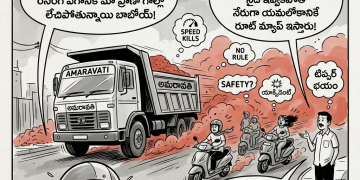
The current approach treats rural roads as secondary infrastructure—viewing them merely as routes requiring attention only when they become completely impassable. Typical local body interventions usually focus solely on filling potholes or laying substandard gravel roads that deteriorate within a single season.
This “politics of potholes” is both economically draining and economically stifling:
Economic Loss:
Millions of rupees are spent annually on temporary repairs. This serves as a prime example of being penny-wise and pound-foolish.
Human Cost:
When a village road falls into disrepair, the entire ecosystem of life grinds to a halt. Farmers are unable to transport perishable crops to cold storage facilities or major markets, subjecting them to severe distress and forcing them to sell their produce at a loss. Pregnant women and those facing medical emergencies encounter life-threatening delays in reaching sub-divisional hospitals. During heavy rains, children are unable to attend school as their “path” to education literally turns into a quagmire of mud.
A permanent road system is not a luxury; it is a fundamental prerequisite for basic human rights and economic dignity.
Vision:
A Grid That Leaves No Village Behind
What Andhra Pradesh needs is a comprehensive master plan—one that treats village connectivity with the same level of engineering rigor and budgetary priority typically accorded to a national highway project.
This permanent network must be defined by three uncompromising principles:
1. Structural Permanence (Engineering designed to withstand climate change)
Instead of relying on cheap, erosion-prone materials, the State Government must mandate the use of “white-topping” (concrete) or high-grade, multi-layered bitumen designs for rural roads. In light of the intensifying weather conditions and heavy rainfall in Coastal and Interior Andhra, these roads must be constructed with integrated drainage systems to prevent water stagnation—a primary destroyer of rural infrastructure.
2. Comprehensive Expansion (“Length and Breadth”)
Connectivity should not terminate merely at the Village Panchayat office or at the main entrance of a major residential cluster. This network must encompass the entire geographical expanse of a village, thereby ensuring that agricultural fields, hamlets inhabited by Scheduled Castes/Tribes, and remote outskirts are seamlessly integrated into the main grid. True development is inclusive; a road that stops midway is tantamount to a policy that has failed halfway through its execution.
3. Inter-transport and Economic Integration
These permanent village roads must be sufficiently wide to accommodate modern agricultural machinery and commercial transport vehicles. By ensuring the smooth movement of goods from agricultural fields to state highways, the government can significantly reduce transportation costs for aquaculture farmers in the Godavari districts, chili farmers in Guntur, and fruit orchard farmers in Rayalaseema.
A Plan for Implementation
To execute a project of such massive scale, it is imperative to move away from fragmented and ad-hoc contractor systems. The State Government must consider a multi-pronged implementation strategy:
**Unified Rural Infrastructure Fund:** Funds from the Mahatma Gandhi National Rural Employment Guarantee Scheme (MGNREGS), the Pradhan Mantri Gram Sadak Yojana (PMGSY), and State Budget allocations should be consolidated to establish a single, dedicated fund exclusively for the creation of permanent rural assets.
**Asset Mapping and Accountability:** GIS mapping should be utilized to monitor the construction of every rural road segment. Contractors must strictly adhere to a maintenance clause spanning 5 to 10 years. This ensures that if a road deteriorates prematurely—before the stipulated timeframe—the financial burden falls upon the builder rather than the taxpayers.
**Phased, Statewide Implementation:** Villages should be prioritized based on their agricultural output and existing connectivity deficits. A strict 5-year deadline must be set to achieve 100% permanent connectivity across all districts.
While bridges and highways may look impressive in investment brochures, it is the humble village road that truly brings about a tangible transformation in a state’s Human Development Index (HDI). When a village is permanently connected to the outside world, land values stabilize, private investments gradually flow into rural industries, and the migratory pressure on densely populated cities—such as Visakhapatnam, Vijayawada, and Tirupati—diminishes.
The Government of Andhra Pradesh asserts that constructing a permanent road to a remote village is not merely an expenditure, but rather an investment for generations to come.
This reality must be acknowledged. The time has come to set aside the buckets of tar used for temporary repairs and deploy heavy-duty concrete mixers instead. There is an urgent need to construct a permanent network that connects the heart of Andhra to its future; to this end, the government must take constructive measures on a war footing.
* ఆంధ్రప్రదేశ్కు శాశ్వత, అన్ని కాలాలకు అనువైన గ్రామ రహదారుల వ్యవస్థ అవసరం
** గ్రామీణ సమ్మిళితత్వానికి రాజమార్గం..
దశాబ్దాలుగా, ఆంధ్రప్రదేశ్లో గ్రామీణ మౌలిక సదుపాయాల ప్రణాళిక దీర్ఘకాలికంగా దూరదృష్టి లోపంతో సతమతమౌతోంది . ప్రతి వర్షాకాలంలో భారీ వర్షాలు పెళుసైన గ్రామీణ మార్గాలను కొట్టుకు పోతున్నాయి., గుంతలు ప్రమాదకరమైన గొయ్యిలుగా మారుతున్నాయి. రాష్ట్ర ప్రభుత్వం ప్రతిచర్యగా ప్యాచ్లు వేయడం, పూడ్చడం ,తాత్కాలికంగా రోడ్డును పునరుద్ధరించడం వంటి పనులతో హడావిడిగా స్పందిస్తుంది.
పరిపాలన పట్ల ఈ తాత్కాలిక విధానం ఇకపై ఆమోదయోగ్యం కాదు. ఆంధ్రప్రదేశ్ ఒక ఆర్థిక శక్తిగా మారాలంటే, రాష్ట్రం ప్రతిచర్యాత్మక నిర్వహణ నుండి దూరదృష్టితో కూడిన, దీర్ఘకాలిక వ్యూహానికి మారాలి. ప్రతి ఒక్క గ్రామం నలుమూలలా విస్తరించి ఉండే శాశ్వత, నాణ్యమైన ,సమగ్రమైన రహదారుల వ్యవస్థను నిర్మించడం.
“గుంతల రాజకీయాలను” అధిగమించడం
ప్రస్తుత విధానం గ్రామీణ రహదారులను ద్వితీయ మౌలిక సదుపాయాలుగా పరిగణిస్తుంది—అవి పూర్తిగా ప్రయాణించలేనివిగా మారినప్పుడు మాత్రమే శ్రద్ధ అవసరమయ్యే ప్రధాన మార్గాలుగా చూస్తుంది. సాధారణ స్థానిక సంస్థల చర్యలు సాధారణంగా గుంతలను పూడ్చడం లేదా ఒకే సీజన్లో పాడైపోయే నాసిరకం కంకర రోడ్లను వేయడంపైనే దృష్టి పెడతాయి.
ఈ “గుంతల రాజకీయాలు” ఆర్థికంగా క్షీణింపజేస్తాయి ,ఆర్థికంగా స్తంభింపజేస్తాయి:
ఆర్థిక నష్టం:
తాత్కాలిక మరమ్మతుల కోసం ఏటా లక్షలాది రూపాయలు ఖర్చవుతున్నాయి. ఇది చిన్న విషయాలలో పొదుపు చేసి, పెద్ద విషయాలలో తెలివితక్కువగా ప్రవర్తించడానికి ఒక చక్కటి ఉదాహరణ.
మానవ నష్టం:
ఒక గ్రామ రహదారి పాడైపోయినప్పుడు, మొత్తం జీవావరణ వ్యవస్థ స్తంభించిపోతుంది. రైతులు త్వరగా పాడైపోయే పంటలను కోల్డ్ స్టోరేజీలకు లేదా ప్రధాన మార్కెట్లకు రవాణా చేయలేరు, దీనివల్ల వారు తీవ్ర ఇబ్బందులకు గురై అమ్ముకోవలసి వస్తుంది. గర్భిణీ స్త్రీలు ,వైద్య అత్యవసర పరిస్థితులలో ఉన్నవారు ఉప-విభాగ ఆసుపత్రులకు చేరుకోవడానికి ప్రాణాంతకమైన ఆలస్యాన్ని ఎదుర్కొంటారు. భారీ వర్షాల సమయంలో, చదువుకునే “మార్గం” అక్షరాలా బురదమయమైపోవడం వల్ల పిల్లలు పాఠశాలకు వెళ్లలేరు.
శాశ్వత రహదారి వ్యవస్థ అనేది ఒక విలాసం కాదు; అది ప్రాథమిక మానవ హక్కులకు ,ఆర్థిక గౌరవానికి ఒక ప్రాథమిక అవసరం.
దార్శనికత:
ఏ గ్రామాన్నీ విడిచిపెట్టని గ్రిడ్
ఆంధ్రప్రదేశ్కు కావలసింది ఒక సమగ్ర మాస్టర్ ప్లాన్. ఇది గ్రామాల అనుసంధానాన్ని, ఒక జాతీయ రహదారి ప్రాజెక్టుకు ఇచ్చేంతటి ఇంజనీరింగ్ పటిష్టతతో, బడ్జెట్ పరమైన ప్రాధాన్యతతో పరిగణించాలి.
ఈ శాశ్వత నెట్వర్క్ మూడు రాజీపడని సూత్రాల ద్వారా నిర్వచించబడాలి:
1. నిర్మాణ శాశ్వతత్వం (వాతావరణ మార్పులను తట్టుకునే ఇంజనీరింగ్)
చౌకైన, సులభంగా కోతకు గురయ్యే పదార్థాలకు బదులుగా, గ్రామీణ రోడ్ల కోసం రాష్ట్ర ప్రభుత్వం వైట్-టాపింగ్ (కాంక్రీట్) లేదా ఉన్నత శ్రేణి, బహుళ పొరల బిటుమెన్ డిజైన్లను తప్పనిసరి చేయాలి. తీరప్రాంత , అంతర్గత ఆంధ్రలో తీవ్రమవుతున్న వాతావరణ పరిస్థితులు, భారీ వర్షాల దృష్ట్యా, గ్రామీణ మౌలిక సదుపాయాలకు ప్రధాన హంతకురాలైన నీటి నిల్వను నివారించడానికి ఈ రహదారులను సమీకృత మురుగునీటి పారుదల వ్యవస్థలతో నిర్మించాలి.
2. సంపూర్ణ విస్తరణ (“పొడవు మరియు వెడల్పు”)
అనుసంధానం కేవలం గ్రామ పంచాయతీ కార్యాలయం వద్దనో లేదా ఒక ప్రధాన నివాస ప్రాంతం యొక్క ప్రధాన ద్వారం వద్దనో ఆగిపోకూడదు. ఈ నెట్వర్క్ ఒక గ్రామం మొత్తం భౌగోళిక స్వరూపాన్ని కవర్ చేయాలి, తద్వారా వ్యవసాయ క్షేత్రాలు, షెడ్యూల్డ్ కులాలు/తెగల కుగ్రామాలు ,మారుమూల శివారు ప్రాంతాలు ప్రధాన గ్రిడ్కు సజావుగా అనుసంధానించబడాలి. నిజమైన అభివృద్ధి సమ్మిళితమైనది, ,మధ్యలోనే ఆగిపోయే రహదారి సగంలోనే విఫలమైన విధానంతో సమానం.
3. అంతరరవాణా ఆర్థిక సమైక్యత
ఈ శాశ్వత గ్రామ రహదారులు ఆధునిక వ్యవసాయ యంత్రాలు ,వాణిజ్య రవాణా వాహనాలకు అనుకూలంగా ఉండేంత వెడల్పుగా ఉండాలి. వ్యవసాయ క్షేత్రాల నుండి రాష్ట్ర రహదారుల వరకు సరుకు రవాణా సజావుగా జరిగేలా చూడటం ద్వారా, గోదావరి జిల్లాల్లోని జలచర రైతులు, గుంటూరులోని మిరప రైతులు ,రాయలసీమలోని పండ్ల తోటల రైతుల రవాణా ఖర్చులను ప్రభుత్వం గణనీయంగా తగ్గించగలదు.
అమలుకు ఒక ప్రణాళిక
ఇంతటి భారీ ప్రాజెక్టును అమలు చేయడానికి, విచ్ఛిన్నమైన, తాత్కాలిక కాంట్రాక్టర్ల వ్యవస్థల నుండి వైదొలగడం అవసరం. రాష్ట్ర ప్రభుత్వం బహుముఖ అమలు వ్యూహాన్ని పరిగణనలోకి తీసుకోవాలి:
ఏకీకృత గ్రామీణ మౌలిక సదుపాయాల నిధి: మహాత్మా గాంధీ జాతీయ గ్రామీణ ఉపాధి హామీ పథకం (MGNREGS), ప్రధాన మంత్రి గ్రామ సడక్ యోజన (PMGSY), రాష్ట్ర బడ్జెట్ కేటాయింపుల నుండి నిధులను ఏకీకృతం చేసి, శాశ్వత గ్రామీణ ఆస్తుల సృష్టికి మాత్రమే ప్రత్యేకంగా కేటాయించిన ఒకే నిధిగా ఏర్పాటు చేయాలి.
ఆస్తుల మ్యాపింగ్ , జవాబుదారీతనం: ప్రతి ఒక్క గ్రామీణ రహదారి విభాగం నిర్మాణాన్ని పర్యవేక్షించడానికి GIS మ్యాపింగ్ను ఉపయోగించాలి. కాంట్రాక్టర్లు తప్పనిసరిగా 5 నుండి 10 సంవత్సరాల నిర్వహణ నిబంధనకు కట్టుబడి ఉండాలి. తద్వారా, ఒకవేళ రహదారి గడువుకు ముందే పాడైపోతే, దాని ఆర్థిక భారం పన్ను చెల్లింపుదారులపై కాకుండా నిర్మాణదారుడిపైనే పడేలా చూడాలి.
దశలవారీగా రాష్ట్రవ్యాప్త అమలు: వ్యవసాయ ఉత్పత్తి ,ఇప్పటికే ఉన్న కనెక్టివిటీ లోపాల ఆధారంగా గ్రామాలకు ప్రాధాన్యత ఇవ్వాలి. అన్ని జిల్లాల్లో 100% శాశ్వత కనెక్టివిటీని సాధించడానికి కఠినమైన 5 సంవత్సరాల కాలపరిమితిని నిర్దేశించాలి.
పెట్టుబడి బ్రోచర్లలో వంతెనలు, రహదారులు అద్భుతంగా కనిపిస్తాయి, కానీ ఒక రాష్ట్ర మానవ అభివృద్ధి సూచిక (HDI)లో నిజమైన మార్పును తీసుకువచ్చేది మాత్రం సామాన్యమైన గ్రామ రోడ్డే.
ఒక గ్రామం బాహ్య ప్రపంచంతో శాశ్వతంగా అనుసంధానమైనప్పుడు, భూమి విలువలు స్థిరపడతాయి, గ్రామీణ పరిశ్రమలలోకి ప్రైవేట్ పెట్టుబడులు నెమ్మదిగా ప్రవహిస్తాయి, విశాఖపట్నం, విజయవాడ, తిరుపతి వంటి జనసాంద్రత అధికంగా ఉన్న నగరాలపై వలసల ఒత్తిడి తగ్గుతుంది.
ఒక మారుమూల గ్రామానికి శాశ్వత రహదారి వేయడం అనేది ఖర్చు కాదని, అది తరతరాల పెట్టుబడి అని ఆంధ్రప్రదేశ్ ప్రభుత్వం గ్రహించాలి. తాత్కాలిక మరమ్మతులకు ఉపయోగించే తారు బకెట్లను పక్కనపెట్టి, భారీ కాంక్రీట్ మిక్సర్లను రంగంలోకి దించాల్సిన సమయం ఆసన్నమైంది. ఆంధ్ర హృదయాన్ని దాని భవిష్యత్తుకు అనుసంధానిస్తూ, శాశ్వతంగా నిలిచే ఒక నెట్వర్క్ను నిర్మించాల్సిన అవసరం ఉంది, ఆ దిశగా ప్రభుత్వాలు నిర్మాణాత్మక చర్యలు యుద్ధ ప్రాతిపదికన చేయాలి.