




























రాజధాని వార్తలు సంపాదకీయం –
ప్రజాస్వామ్య పతనం – పాలకులైనా, ప్రతిపక్షాలైనా ఎన్నికల ప్రక్రియను ఎందుకు దెబ్బతీస్తున్నాయి? ఆత్మపరిశీలన అవసరం లేదా?
ఆధునిక ప్రజాస్వామ్యాలలో ఎన్నికలు అత్యంత పవిత్రమైనవి. ప్రజలు తమ ప్రభుత్వాన్ని ఎన్నుకునేందుకు, తొలగించేందుకు ఉన్న ఏకైక శాంతియుత మార్గం ఇవే. కానీ నేడు ప్రపంచవ్యాప్తంగా ఒక ఆందోళనకరమైన ధోరణి కనిపిస్తోంది. అధికారంలో ఉన్న పార్టీలైనా, ప్రతిపక్షాలైనా… స్వార్థ రాజకీయ లబ్ధి కోసం ఎన్నికల ప్రక్రియను తమకు అనుకూలంగా మార్చుకోవడం, నిబంధనలను ఉల్లంఘించడం పరిపాటిగా మారింది. అధికారంలో ఉన్నవారు అధికార దుర్వినియోగానికి పాల్పడుతుంటే, ప్రతిపక్షాలు చట్టపరమైన చిక్కులు సృష్టించడం లేదా ప్రక్రియనే అప్రతిష్టపాలు చేయడం చేస్తున్నాయి. ఈ నేపథ్యంలో ఒక అత్యవసరమైన ప్రశ్న తలెత్తుతోంది: రెండూ ప్రధాన పక్షాలు ఎన్నికల ప్రక్రియలో ఎందుకు జోక్యం చేసుకుంటున్నాయి? సత్యం వైపు నిలబడటానికి, ప్రజాస్వామ్య విలువలను కాపాడుకోవడానికి అవసరమైన ఆత్మనిగ్రహం, ఆత్మపరిశీలన నేడు రాజకీయ నాయకులకు పూర్తిగా కరువయ్యాయా?
ఈ పరిస్థితికి ప్రధాన కారణం రాజకీయాల్లో పెరిగిపోయిన తీవ్రమైన ధ్రువీకరణ, గెలవాలనే కక్షసాధింపు ధోరణి. అధికారంలో ఉన్న పార్టీకి పదవిని కాపాడుకోవాలనే తపన ఎక్కువ. ప్రభుత్వ యంత్రాంగాన్ని, చట్టాలను తమకు అనుకూలంగా వాడుకోవడం, నియోజకవర్గాల పునర్విభజనలో మతలబులు చేయడం, ఎన్నికల నిబంధనలను తమ ప్రత్యర్థులకు నష్టం కలిగించేలా మార్చడం వంటి చర్యలకు పాల్పడుతుంటాయి. అధికారంలో ఉన్నవారికి అధికారాన్ని కోల్పోతామనే భయం వారిని ఏ అడ్డదారినైనా తొక్కేలా ప్రేరేపిస్తుంది.
మరోవైపు ప్రతిపక్షాలు కూడా దీనికి అతీతం కాదు. వ్యవస్థ మొత్తం తమకు వ్యతిరేకంగా పనిచేస్తోందని నమ్మి, ప్రతి అంశాన్ని వివాదాస్పదం చేయడం, అనవసరమైన న్యాయపోరాటాలతో కాలయాపన చేయడం లేదా ఎన్నికల ప్రక్రియపై ప్రజల్లో నమ్మకం సడలేలా చేయడం చేస్తుంటాయి. ప్రత్యర్థి తప్పు చేస్తున్నప్పుడు, తాము కూడా అదే బాట పట్టడం తప్పనిసరి అని రెండు పక్షాలు భావిస్తాయి. ఇది చివరికి ప్రజాస్వామ్య విలువలను పూర్తిగా భ్రష్టుపట్టిస్తుంది.
అయితే, ఈ సంకుచిత రాజకీయాలు ఒక కఠినమైన సత్యాన్ని విస్మరిస్తున్నాయి. అనైతిక పద్ధతుల ద్వారా సాధించిన విజయం ఎప్పటికీ శాశ్వతం కాదు, అది ప్రజాస్వామ్యాన్నే బలహీనపరుస్తుంది.
ఇక్కడే అసలు సమస్య వస్తోంది—రాజకీయ నాయకులలో ఆత్మనిగ్రహం (Self-control) ,ఆత్మపరిశీలన (Self-audit) పూర్తిగా కొరవడ్డాయి. నిజమైన నాయకత్వానికి నైతిక సంయమనం చాలా ముఖ్యం. ప్రజా సంక్షేమం కోసమే తాము పనిచేస్తున్నామని చెప్పుకునే పార్టీలు, ప్రజల గొంతుకను వినిపించే ఎన్నికల వ్యవస్థనే దెబ్బతీయడం ఎంతవరకు సమంజసం? “మనం తీసుకుంటున్న నిర్ణయం ప్రజల మేలు కోసమా, లేక మన గెలుపు కోసమా?” అని ఏ పార్టీయైనా నిజాయితీగా ప్రశ్నించుకుంటుందా?
సత్యాన్ని పక్కన పెట్టి కేవలం గెలుపును మాత్రమే లక్ష్యంగా పెట్టుకుంటే, రాజకీయాలు కేవలం వర్గ పోరాటాలుగా మారుతాయి. ఎన్నికల వ్యవస్థపై ప్రజలకు ఉన్న నమ్మకం సడలిపోతే, ప్రజాస్వామ్య మూలస్తంభాలే కుప్పకూలుతాయి.
ఇప్పటికైనా పాలకులైనా, ప్రతిపక్షాలైనా ఈ ప్రమాదకర ధోరణిని వీడాలి. ఎన్నికల పవిత్రతను కాపాడటానికి ఎవరి కోసం ఎదురుచూడకుండా, స్వచ్ఛమైన రాజకీయ విధానాలను అనుసరించాలి. రాజకీయ మనుగడ కంటే ప్రజాస్వామ్య మనుగడ ముఖ్యం. నాయకులలో ఆత్మనిగ్రహం, సత్యం పట్ల నిబద్ధత తిరిగి రానంతవరకు, ఎన్నికల బరి నిజమైన ప్రజాస్వామ్య వేదికగా కాక రాజకీయ రణరంగంగానే మిగిలిపోతుంది.
ఎన్నికల ప్రక్రియలో పారదర్శకతను తీసుకురావడానికి, అధికార, ప్రతిపక్షాల జోక్యాన్ని నివారించడానికి కొన్ని కఠినమైన సంస్కరణలు ,చర్యలు అత్యంత అవసరం. వాటిని క్రింది విధంగా పరిశీలించవచ్చు,
1. స్వతంత్ర ,నిష్పాక్షిక ఎన్నికల సంఘం (Independent Election Commission)
నియామక విధానం:
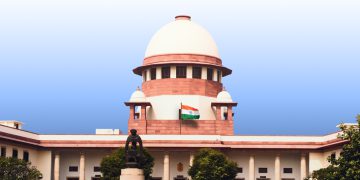
ఎన్నికల కమిషనర్ల నియామకం కేవలం అధికార పార్టీ చేతిలో ఉండకూడదు. ఇందులో ప్రధాన ప్రతిపక్ష నాయకుడు, సుప్రీంకోర్టు ప్రధాన న్యాయమూర్తి వంటి వివిధ వర్గాల భాగస్వామ్యంతో కూడిన పారదర్శకమైన కొలీజియం వ్యవస్థ ఉండాలి. అప్పుడే కమిషన్ ఏకపక్షంగా వ్యవహరించడానికి అవకాశం ఉండదు.
2. ఎన్నికల నిధులు – పారదర్శకత (Transparent Electoral Funding)
కార్పొరేట్ ,అజ్ఞాత విరాళాలకు అడ్డుకట్ట:
రాజకీయ పార్టీలకు నిధులు ఎక్కడి నుండి వస్తున్నాయనే దానిపై పూర్తి పారదర్శకత ఉండాలి. ఎన్నికల బాండ్లు (Electoral Bonds) వంటి అజ్ఞాత నిధుల విధానాలను రద్దు చేసినప్పటికీ, ప్రతి రూపాయి ఎలా వస్తుందో ఎక్కడ ఖర్చు పెట్టుతున్నారో లెక్క ప్రజలకు తెలిసేలా చట్టాలు చేయాలి.
ఖర్చులపై కఠిన నిఘా: అభ్యర్థులు ,పార్టీలు చేసే ఖర్చుపై ఎన్నికల సంఘం గట్టి నిఘా ఉంచాలి. పరిమితికి మించి ఖర్చు చేసే వారిపై అనర్హత వేటు వేసేలా చట్టాలు మరింత కఠినతరం చేయాలి.
3. మీడియా ,ప్రచారంలో సమాన అవకాశాలు (Level Playing Field)
ప్రభుత్వ యాజమాన్యంలోని మీడియాను (దూరదర్శన్, ఆకాశవాణి మొదలైనవి) అధికార పార్టీ తమ స్వప్రయోజనాల కోసం వాడుకోకుండా కఠిన మార్గదర్శకాలు ఉండాలి. అన్ని రాజకీయ పార్టీలకు ప్రచారంలో సమాన అవకాశాలు లభించేలా చట్టబద్ధమైన నిబంధనలు అమలు చేయాలి.
4. దుష్ప్రచారాలు ,తప్పుడు హామీలపై కఠిన చర్యలు
ఎన్నికల సమయంలో ఓటర్లను ప్రలోభపెట్టడానికి ఇచ్చే ఉచిత హామీల (Freebies) ఆర్థిక భారంపై స్పష్టత ఉండాలి. ఆ హామీలను ఎలా అమలు చేస్తారో ముందే స్పష్టం చేసేలా నిబంధనలు ఉండాలి.
సోషల్ మీడియా ద్వారా జరిగే ఫేక్ ప్రచారాలు, డీప్ఫేక్లు ,తప్పుడు సమాచారాన్ని (Misinformation) అరికట్టడానికి సైబర్ సెల్స్ ద్వారా కఠిన చర్యలు తీసుకోవాలి.
5. రాజకీయ పార్టీల అంతర్గత ప్రజాస్వామ్యం (Internal Democracy in Parties)
పార్టీలు బయటికి ప్రజాస్వామ్యం గురించి మాట్లాడినా, లోపల వారసత్వ రాజకీయాలు లేదా కుటుంబ పాలన కొనసాగిస్తున్నాయి. ప్రతి రాజకీయ పార్టీ కూడా క్రమం తప్పకుండా అంతర్గత ఎన్నికలు జరపాలని, అభ్యర్థుల ఎంపికలో సాధారణ కార్యకర్తలకు కూడా సముచిత స్థానం దక్కేలా చట్టపరమైన నిబంధనలు ఉండాలి.
ప్రజాస్వామ్యం కేవలం ఓట్లు వేసే పండుగ మాత్రమే కాదు,అది నిరంతరం పాటించాల్సిన నైతిక విలువ. చట్టాలు ఎంత కఠినంగా ఉన్నా, నాయకులలో ఆత్మపరిశీలన, నైతిక స్పృహ రానంతవరకు సంపూర్ణ మార్పు సాధ్యం కాదు.
Rajadhani Vartalu -Editorial
The Decline of Democracy – Why Are Both Those in Power and the Opposition Undermining the Electoral Process? Is Introspection Not Necessary?
In modern democracies, elections are considered sacred. They represent the only peaceful means by which the people can elect—or remove—their government. Yet, a concerning trend has emerged globally: both ruling parties and the opposition have made it a common practice to manipulate the electoral process for their own narrow political gain, often by flouting established rules. While those in power may engage in the abuse of authority, the opposition often resorts to creating legal hurdles or discrediting the process itself. This raises a critical question: why are both major sides interfering with the electoral process? Have political leaders completely lost the self-restraint and capacity for introspection required to stand by the truth and uphold democratic values?
The primary cause of this situation is the intense polarization in politics, coupled with a vindictive, “win-at-all-costs” mentality. For the party in power, the drive to retain its position has become paramount. Those in power often manipulate government machinery and laws to their advantage, engage in questionable practices during the redrawing of electoral constituencies, and alter election rules to disadvantage their opponents. The fear of losing power drives them to resort to any unscrupulous means to retain it.
On the other hand, the opposition is no better. Convinced that the entire system is rigged against them, they turn every issue into a controversy, stall proceedings through unnecessary legal battles, or erode public trust in the electoral process itself. Both sides operate under the dangerous assumption that if their opponent is resorting to wrongdoing, they are justified in following the same path. Ultimately, this completely corrupts democratic values.
However, such narrow-minded politics overlook a stark truth: victories achieved through unethical means are never permanent, and they only serve to weaken democracy itself.
This is where the core problem lies—a complete lack of self-control and self-reflection among political leaders. True leadership requires moral restraint. How can parties that claim to work for the public welfare justify undermining the very electoral system that gives voice to the people? One must ask: “Are the decisions we are making for the benefit of the public, or merely to ensure our own victory?” Does any political party honestly ask itself this question?
If the pursuit of victory takes precedence over the truth, politics devolves into mere factional conflict. Should public trust in the electoral system erode, the very pillars of democracy will collapse.
It is high time that both those in power and the opposition abandon this dangerous trend. To preserve the sanctity of elections, they must adopt ethical political practices—without waiting for others to take the first step. The survival of democracy is far more important than the survival of any political entity. Unless leaders cultivate self-restraint and a commitment to the truth, the electoral arena will remain a political battlefield rather than a genuine platform for democracy.
To ensure transparency in the electoral process and prevent interference from the ruling party or the opposition, certain rigorous reforms and measures are essential. These are outlined below:
1. An Independent and Impartial Election Commission
Appointment Process:
The appointment of Election Commissioners should not rest solely in the hands of the ruling party. Instead, there must be a transparent collegium system—involving diverse stakeholders, such as the Leader of the Opposition and the Chief Justice of the Supreme Court—to oversee these appointments. This would prevent the Commission from acting in a one-sided or biased manner. 2. Electoral Funding – Transparency
Curbing Corporate and Anonymous Donations:
There must be complete transparency regarding the sources of funding for political parties. Even with the abolition of anonymous funding mechanisms like Electoral Bonds, laws should be enacted to ensure the public is informed about every rupee received and how it is spent.
Strict Oversight of Expenditures:
The Election Commission must maintain rigorous surveillance over the spending of candidates and political parties. Laws should be strengthened to mandate disqualification for those who exceed prescribed expenditure limits.
3. Level Playing Field in Media and Campaigning
Strict guidelines must be in place to prevent the ruling party from utilizing state-owned media (such as Doordarshan, All India Radio, etc.) for its own interests. Legal provisions should be enforced to ensure that all political parties have equal opportunities for campaigning.
4. Strict Action Against Malicious Propaganda and False Promises
There must be clarity regarding the financial burden of “freebies” offered to entice voters during elections. Regulations should require that the implementation plan for such promises be disclosed in advance.
Cyber cells must take stringent action to curb fake propaganda, deepfakes, and misinformation spread via social media.
5. Internal Democracy in Political Parties
Even though political parties may speak of democracy in public, they often perpetuate dynastic politics or family-based rule internally. There should be legal provisions requiring every political party to conduct regular internal elections and ensuring that ordinary party workers are given a fair opportunity in the selection of candidates.
Democracy is not merely a festival of casting votes; This is a moral value that must be upheld consistently. No matter how stringent the laws may be, true and complete change cannot occur unless leaders engage in self-reflection and develop a moral consciousness.