
































తీవ్రమైన ప్రజా చర్చకు దారితీసిన అంశం
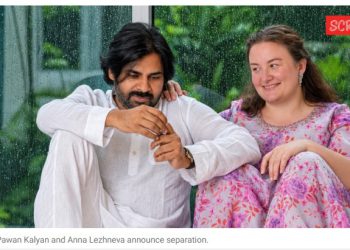
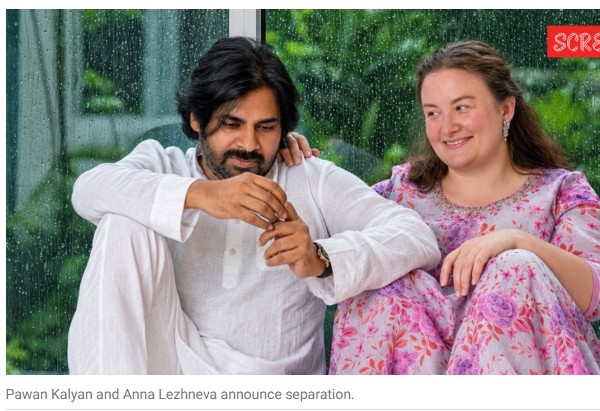
ఆంధ్రప్రదేశ్ ఉప ముఖ్యమంత్రి పవన్ కళ్యాణ్, ఆయన భార్య అన్నా కొణిదాల (అన్నా లెజ్నెవా) 13 ఏళ్ల వివాహ బంధం తర్వాత విడిపోతున్నారనే ప్రకటన ఊహించిన విధంగానే తీవ్రమైన ప్రజా చర్చకు దారితీసింది.
ఆంధ్రప్రదేశ్లోని పట్టణాల్లో, టీ స్టాళ్లలో, డిజిటల్ వేదికలపై అడుగుతున్న ప్రశ్నలు ప్రజా జీవితంలో దీర్ఘకాలంగా ఉన్న ఒక ఉద్రిక్తత మూలాన్ని తాకుతున్నాయి: ఒక నాయకుడి వ్యక్తిగత జీవితానికి, వారి ప్రజా జవాబుదారీతనానికి మధ్య హద్దు ఎక్కడ ఉంటుంది?
సమాజంలోని వివిధ వర్గాలు ఈ పరిణామాన్ని, లోతుగా పాతుకుపోయిన సాంస్కృతిక విలువలతో పాటు అభివృద్ధి చెందుతున్న ఆధునిక దృక్పథాలను ప్రతిబింబించేలా, తీవ్రమైన భిన్న కోణాల్లో చూస్తున్నాయి.
1. విమర్శనాత్మక దృక్పథం: “ఆదర్శప్రాయుడు” నైతిక అధికారం వాదన
సాంప్రదాయ సమాజంలోని అధిక శాతం మందికి, విమర్శకులకు, రాజకీయ ప్రత్యర్థులకు, ఈ సమస్య పరస్పర అంగీకారంతో ఉన్న ఇద్దరు వయోజనుల మధ్య చట్టపరమైన విడిపోవడానికి మించినది.
పదవి, హోదా
ఉప ముఖ్యమంత్రిగా , ఒక ప్రముఖ రాజకీయ పార్టీ నాయకుడిగా, అపారమైన సాంస్కృతిక ,సామాజిక ప్రభావాన్ని కలిగి ఉంటారు. నాయకులు తెలియకుండానే సామాజిక నియమాలను నిర్దేశిస్తారు కాబట్టి, ప్రజా పదవికి సహజంగానే ఉన్నతమైన వ్యక్తిగత ప్రవర్తనా ప్రమాణాలు అవసరమని విమర్శకులు వాదిస్తున్నారు.
బహుళ వివాహాల ప్రశ్న
ఇందులో మూడవ వివాహం కూడా విడిపోవడంతో ముగియడం, వ్యతిరేకతను మరింత తీవ్రతరం చేస్తోంది. భారతదేశంలోని సాంప్రదాయ సాంస్కృతిక చట్రాలు వైవాహిక స్థిరత్వం, కుటుంబ పవిత్రత ,శాశ్వతత్వానికి అధిక ప్రాధాన్యతనిస్తాయి. సాంప్రదాయవాదుల దృష్టిలో, ఒక అగ్ర రాజకీయ నాయకుడు పదేపదే వివాహాలు విచ్ఛిన్నం కావడం ఒక ఆందోళనకరమైన సంకేతాన్ని పంపుతుంది. ఇది వారిని ప్రశ్నించేలా చేస్తుంది. నిబద్ధత, సహనం ,వివాహ పవిత్రత గురించి ఇది యువతకు ఎలాంటి సందేశాన్ని ఇస్తుంది?
ప్రపంచ ,సాంస్కృతిక ప్రతిబింబం:
అంతర్జాతీయ వేదికపై దీనిపై కొందరు ఆందోళన చెందుతున్నారు. ఆంధ్రప్రదేశ్ ,భారతదేశంలోని రాజకీయ నాయకత్వం సాంప్రదాయ కుటుంబ విలువలకు సంబంధించి ఎలా ఉంటుందోనని బయటి పరిశీలకులు లేదా సంప్రదాయవాద వర్గాలు ఎలా చూస్తాయోనని. ప్రజా ప్రముఖులు, సాంప్రదాయ సామాజిక అంచనాల బాధ్యతలను విస్మరిస్తూ, ప్రజల ఆదరణతో లభించే సాంప్రదాయ నైతిక ఆమోదాన్ని మాత్రమే ఎంపికగా ఆస్వాదించలేరని విమర్శకులు వాదిస్తున్నారు.
2. ఆచరణాత్మక దృక్పథం-వ్యక్తిగత స్వయంప్రతిపత్తి ,చట్టపరమైన హక్కులు
దీనికి విరుద్ధంగా, మద్దతుదారులు ,సమర్థకులు—ఆధునిక పౌర హక్కుల కార్యకర్తలతో పాటు—ఈ పరిస్థితిని పూర్తిగా భిన్నమైన చట్రంలో చూస్తారు, వ్యక్తిగత స్వేచ్ఛకు ,చట్టపరమైన వాస్తవికతకు ప్రాధాన్యత ఇస్తారు.
గోప్యతకు రాజ్యాంగ హక్కు
ఈ దృక్పథాన్ని సమర్థించేవారు, వ్యక్తిగత జీవితం, భావోద్వేగ అనుకూలత ,వైవాహిక బంధం విచ్ఛిన్నం కావడం అనేవి ప్రాథమికంగా వ్యక్తిగత విషయాలని వాదిస్తారు. భారత చట్టం ప్రకారం, వృత్తితో సంబంధం లేకుండా, పరస్పర అంగీకారంతో విడాకులు లేదా చట్టబద్ధంగా విడిపోవడం అనేది ఏ పౌరునికైనా లభించే హక్కు. ఒక రాజకీయ నాయకుడి సామర్థ్యం, పరిపాలన, పరిపాలనా నైపుణ్యం ,ప్రజా సేవ పట్ల నిబద్ధతను వారి వ్యక్తిగత సంబంధాల ద్వారా కాకుండా, వారి రాజకీయ పనితీరు, పదవిలో ఉన్నప్పుడు చూపిన నిజాయితీ ,ప్రజలకు అందించిన సేవ ఆధారంగానే ఖచ్చితంగా అంచనా వేయాలని వారు వాదిస్తారు.
మానవ సంబంధాల వాస్తవికత
బహిరంగంగా కనిపించడం కోసం వ్యక్తులను అసంతృప్తికరమైన లేదా నిలకడలేని వివాహ బంధాలలో బలవంతంగా ఉంచడం తిరోగమన చర్య అని దీని మద్దతుదారులు తరచుగా సూచిస్తారు. ఈ దృక్కోణం నుండి చూస్తే, అయిష్టమైన కుటుంబాన్ని కొనసాగించడం కంటే, పరిణతితో, స్నేహపూర్వకంగా ,పరస్పర గౌరవం, సహ-సంరక్షణను చెప్పే ఉమ్మడి ప్రకటన ద్వారా విడిపోవడాన్ని పరిష్కరించుకోవడం మరింత నిజాయితీతో కూడిన ,బాధ్యతాయుతమైన విధానం.
అనర్హతకు పూర్వ ఉదాహరణ లేదు
చట్టపరంగా ,రాజ్యాంగపరంగా, భారతదేశంలో బహుళ వివాహాలు లేదా తదనంతర విడాకులు (వర్తించే వ్యక్తిగత చట్టాల ప్రకారం చట్టబద్ధంగా పరిష్కరించబడినంత వరకు) ఒక వ్యక్తిని ప్రభుత్వ పదవిని చేపట్టడానికి అనర్హుడిని చేయవు.
ఇది ఎలాంటి సందేశాన్ని ఇస్తుంది?
ఆంధ్రప్రదేశ్లో జరుగుతున్న ప్రజా చర్చ సారాంశం అంచనాల మధ్య ఉన్న ఒక ప్రాథమిక ఘర్షణకు దారితీస్తుంది
సాంప్రదాయవాదులకు ,సంప్రదాయ కుటుంబాలకు, ఇది వైవాహిక అస్థిరతను సాధారణీకరించే ప్రమాదాన్ని కలిగిస్తుంది ,ప్రజా నాయకుడు సాంప్రదాయ సామాజిక విలువలకు ప్రతిరూపంగా ఉండాలనే ఆదర్శాన్ని సవాలు చేస్తుంది.
ఆచరణవాదులకు ,ఆధునికులకు, ఉన్నత స్థానాల్లో ఉన్న వ్యక్తులలో కూడా వ్యక్తిగత జీవితం విఫలం కావచ్చనే వాస్తవాన్ని ఇది నొక్కి చెబుతుంది. అలాగే, ఒక సమస్య తలెత్తినప్పుడు పరిపక్వతతో, పరస్పర అంగీకారంతో దాన్ని పరిష్కరించుకోవడం అనేది ఒక వ్యక్తిగత హక్కు అని, అది రాజకీయ విశ్లేషణకు అతీతంగా ఉండాలని ఇది స్పష్టం చేస్తుంది.
అంతిమంగా, ఒక నాయకుడి వ్యక్తిగత జీవితం వారి రాజకీయ ప్రతిష్టను దెబ్బతీస్తుందా లేదా వ్యక్తిగత విషయంగా భావించి వదిలేస్తారా అనేది పూర్తిగా ఓటరు దృక్కోణంపై ఆధారపడి ఉంటుంది—కొందరు దానిని ప్రజా విశ్వాసాన్ని ప్రభావితం చేసే వ్యక్తిగత శీలానికి ప్రతిబింబంగా చూస్తారు, అయితే మరికొందరు దానిని ఒక నాయకుడు దేశానికి చేసే సేవకు పూర్తిగా అసంబద్ధమైనదిగా భావిస్తారు.
A Subject of Intense Public Debate
The announcement that Andhra Pradesh Deputy Chief Minister Pawan Kalyan and his wife, Anna Konidela (Anna Lezhneva), are parting ways after a 13-year marriage has, as expected, sparked an intense public discussion.
The questions being raised in the towns of Andhra Pradesh, at tea stalls, and across digital platforms touch upon a long-standing tension in public life: where does the line lie between a leader’s personal life and their public accountability?
Different segments of society view this development through sharply contrasting lenses—reflecting a blend of deeply rooted cultural values and evolving modern perspectives.
1. The Critical Perspective: The Argument for “Exemplary” Moral Authority
For a large portion of traditional society, as well as for critics and political opponents, this issue transcends a mere legal separation between two consenting adults.
Position and Status
As Deputy Chief Minister and the leader of a prominent political party, he wields immense cultural and social influence. Critics argue that because leaders inevitably set social norms, holding public office inherently demands higher standards of personal conduct.
The Question of Multiple Marriages
The fact that this—his third marriage—has also ended in separation further intensifies the opposition. In India, traditional cultural frameworks place a high premium on marital stability, the sanctity of the family, and the permanence of marriage. From the perspective of traditionalists, the repeated breakdown of marriages involving a prominent political leader sends a concerning signal. It raises questions: what kind of message does this convey to the youth regarding commitment, patience, and the sanctity of marriage?
Global and Cultural Perspectives:
On the international stage, some express concern—wondering how external observers or conservative circles might perceive the political leadership in Andhra Pradesh and India in relation to traditional family values. Critics argue that public figures cannot simply choose to enjoy the moral legitimacy that comes with popular support while simultaneously disregarding the responsibilities associated with traditional social expectations.
2. A Pragmatic Perspective: Individual Autonomy and Legal Rights
Conversely, supporters—including modern civil rights advocates—view this situation through an entirely different lens, prioritizing individual freedom and legal realities. Constitutional Right to Privacy
Proponents of this view argue that matters concerning personal life, emotional compatibility, and the breakdown of a marital bond are fundamentally private affairs. Under Indian law, any citizen has the right to seek a divorce by mutual consent or a legal separation, regardless of their profession. They contend that a political leader’s competence, administrative acumen, and commitment to public service should be evaluated based on their political performance, integrity while in office, and service to the public—not through the lens of their personal relationships.
The Reality of Human Relationships
Supporters of this perspective often point out that compelling individuals to remain in unhappy or unsustainable marriages—merely to maintain a public facade—is a regressive practice. From this viewpoint, choosing to separate—done with maturity, amicably, and accompanied by a joint statement reflecting mutual respect and a shared commitment to the well-being of those involved—is a more honest and responsible approach than forcing the continuation of an unwanted family arrangement.
No Precedent for Disqualification
Legally and constitutionally, in India, multiple marriages or subsequent divorces—provided they are resolved in accordance with the applicable personal laws—do not render an individual ineligible to hold public office. What kind of message does this convey?
The ongoing public discourse in Andhra Pradesh highlights a fundamental clash between differing perspectives.
For traditionalists and conservative families, this carries the risk of normalizing marital instability and challenges the ideal that a public leader should embody traditional social values.
For pragmatists and modernists, it underscores the reality that personal lives can falter, even among those in high positions. Furthermore, it asserts that resolving such issues with maturity and mutual consent is a personal right—one that should remain beyond the scope of political scrutiny.
Ultimately, whether a leader’s personal life damages their political standing or is dismissed as a private matter depends entirely on the voter’s perspective: some view it as a reflection of personal character—which in turn influences public trust—while others consider it completely irrelevant to a leader’s service to the nation.