





















పార్లమెంటు వెలుపల ప్రజాస్వామ్యం బ్యాలెట్ కోసం పోరాటం, ప్రాంతీయ అసెంబ్లీలపై నీడ
న్యూఢిల్లీ / అమరావతి:
అధికారంలో ఉన్న ప్రభుత్వానికి, తిరిగి పుంజుకుంటున్న ప్రతిపక్షానికి మధ్య అపూర్వమైన ఘర్షణలతో నిండిన ఈ రాజకీయ కాలంలో, భారతదేశ ప్రజాస్వామ్య వ్యవస్థ ఒక తీవ్రమైన పరీక్షను ఎదుర్కొంటోంది. గత కొన్ని వారాలుగా, జెన్ జెడ్ కార్యకర్తలు, యువత నేతృత్వంలోని బొద్దింక జనతా పార్టీ (సీజేపీ), ప్రతిపక్ష కాంగ్రెస్ పార్టీలతో కూడిన ఒక కూటమి, ప్రధాన ఎన్నికల కమిషనర్ (సీఈసీ) గ్యానేష్ కుమార్ తక్షణమే రాజీనామా చేయాలని డిమాండ్ చేస్తూ తమ దేశవ్యాప్త ప్రచారాన్ని ముమ్మరం చేసింది.
ఈ దుమారానికి కేంద్ర బిందువు వివాదాస్పదమైన ఓటర్ల జాబితాల ప్రత్యేక విస్తృత సవరణ (SIR). విస్తృతమైన అవకతవకల ఆరోపణలు వెలుగులోకి వచ్చాయి. ముఖ్యంగా పశ్చిమ బెంగాల్ వంటి రాష్ట్రాల్లో కోట్లాది ఓట్లను తొలగించారని, దీనివల్ల అర్హులైన పౌరులు తమ ఓటు హక్కును కోల్పోయారని విమర్శకులు ఆరోపిస్తున్నారు. ఈ పరిణామాలు, ఆరు నెలల క్రితం ప్రతిపక్ష నాయకుడు రాహుల్ గాంధీ చేసిన ముందస్తు హెచ్చరికలను ప్రతిధ్వనిస్తున్నాయి. ఆయన అధికార వర్గం ‘ఓటు దొంగతనం’కు పాల్పడుతోందని బహిరంగంగా ఆరోపించారు.
మూసివేయబడిన పార్లమెంట్ తలుపులు ,రామ్లీలా యాత్ర
ఒత్తిడి పెరగడంతో, ప్రతిపక్ష నాయకుడు రాహుల్ గాంధీ, కాంగ్రెస్ సీనియర్ నాయకులు ,వివిధ చిన్న, భావసారూప్య ప్రతిపక్ష పార్టీల నాయకులతో కలిసి, పార్లమెంట్ సభలో తక్షణమే ఈ విషయంపై చర్చ జరపాలని లాంఛనంగా డిమాండ్ చేశారు. అయితే, ప్రధానమంత్రి నరేంద్ర మోదీ , అధికార ప్రభుత్వం, సీఈసీ రాజీనామాపై గానీ లేదా ఎస్ఐఆర్ ఓటర్ల జాబితాలోని వ్యత్యాసాలపై గానీ చర్చించాలన్న అభ్యర్థనలను పదేపదే తిరస్కరించారు.
పార్లమెంటరీ చర్చకు అధికారిక మార్గాలు గట్టిగా మూసివేయబడటంతో, ఇంతటి మౌలిక రాజ్యాంగ సంక్షోభంపై బహిరంగ చర్చను నిరాకరించడం, దేశ పితామహులు నిర్దేశించిన ప్రజాస్వామ్య సూత్రాలనే దెబ్బతీస్తుందని ప్రతిపక్షం వాదించింది. ఈ తిరస్కరణను పౌరుల రాజ్యాంగ హక్కులను నేరుగా నిరాకరించడంగా అభివర్ణిస్తూ, ప్రతిపక్షం ఈ విషయాన్ని పార్లమెంట్ ప్రాంగణం వెలుపలికి తీసుకువెళ్ళింది.
పరిస్థితి తీవ్రరూపం దాల్చడంతో, ప్రతిపక్ష నాయకులు రామ్లీలా మైదాన్కు భారీ పాదయాత్రకు పిలుపునిచ్చారు. ఈ యాత్ర, సీనియర్ కాంగ్రెస్ నాయకుడు మల్లికార్జున్ ఖర్గే నివాసంలో సీఈసీ గ్యానేష్ కుమార్ పై నిర్వహించిన ప్రతీకాత్మక “నకిలీ అభిశంసన”తో ముగిసింది. కార్యకర్తలు, రాజకీయ విశ్లేషకులు ఇద్దరూ ఒక ప్రాథమిక ప్రశ్నను లేవనెత్తుతున్నారు. అధికారంలో ఉన్న ప్రభుత్వం పార్లమెంటు లోపల ప్రజలతో చర్చించడానికి, సంప్రదించడానికి, సమాచారం అందించడానికి ఎలాంటి అవకాశాన్ని నిరాకరిస్తున్నప్పుడు, దాని గోడల వెలుపల బహిరంగ చర్చలకు దిగడం, నకిలీ అభిశంసనలు చేయడం తప్ప మరో మార్గం ఏముంది? భారతదేశవ్యాప్తంగా చాలామందికి, జవాబుదారీతనాన్ని నిర్ధారించడానికి ఈ వ్యూహం ఒక ఆవశ్యకమైన ప్రత్యామ్నాయంగా మారింది.
తీవ్ర వైరుధ్యం – ఆంధ్రప్రదేశ్లో శాసనపరమైన శూన్యత
జాతీయ రాజకీయాల్లో ప్రతిపక్ష నాయకులు పార్లమెంటు వెలుపలకైనా నెట్టివేసి అయినా, చర్చకు ఒక వేదికను సంపాదించుకోవడానికి శాయశక్తులా పోరాడుతుండగా, ఆంధ్రప్రదేశ్లో ప్రాంతీయ స్థాయిలో దీనికి పూర్తి విరుద్ధమైన పరిస్థితి నెలకొంది.
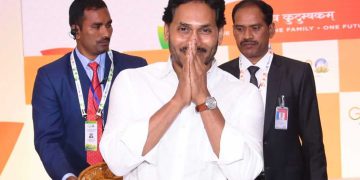
తమ గొంతుక కోసం పోరాడుతున్న జాతీయ స్థాయి నాయకులకు పూర్తి విరుద్ధంగా, వైఎస్ జగన్ మోహన్ రెడ్డి నేతృత్వంలోని ఆంధ్రప్రదేశ్ ప్రతిపక్ష నాయకత్వం, శాసనసభకు గైర్హాజరయ్యే మార్గాన్ని ఎంచుకున్నందుకు తీవ్ర విమర్శలను ఎదుర్కొంటోంది. రాష్ట్ర శాసనసభలో సమస్యలను లేవనెత్తడం, అధికారంలో ఉన్న తెలుగుదేశం పార్టీ (టీడీపీ) ప్రభుత్వం నుండి జవాబుదారీతనం కోరడం, లేదా ప్రజా సమస్యలపై చర్చించడానికి సభా వేదికను ఉపయోగించుకోవడం వంటివి చేయకుండా, ప్రతిపక్ష నాయకత్వం నిత్యం అసెంబ్లీకి దూరంగా ఉంటోంది.
రాజకీయ విశ్లేషకులు ఒక చేదు వైరుధ్యాన్ని గమనిస్తున్నారు – జాతీయ ప్రతిపక్ష నాయకులను అధికార మెజారిటీ పార్లమెంటరీ చర్చల నుండి *బయటకు నెట్టివేస్తుండగా*, ఆంధ్రప్రదేశ్లోని ప్రాంతీయ ప్రతిపక్షం స్వచ్ఛందంగా *బయటే* ఉండాలని నిర్ణయించుకుంది. అసెంబ్లీని బహిష్కరించి, రాజకీయ పోరాటాలను కేవలం సభ బయటకే పరిమితం చేయడం అనేది ఆంధ్రప్రదేశ్ ఓటర్లు ఇచ్చిన తీర్పునే అపహాస్యం చేస్తుందని విమర్శకులు వాదిస్తున్నారు. శాసనసభలో తమ కోసం పోరాడటానికి పౌరులు ప్రజాప్రతినిధులను ఎన్నుకుంటారు; నాయకులు ఇతరచోట్ల నిరసనలు చేస్తూ, అసెంబ్లీలోని తమ సీట్లను ఖాళీ చేయాలని నిర్ణయించుకున్నప్పుడు, అది ప్రాతినిధ్య ప్రజాస్వామ్యాన్ని ఒక డొల్ల ప్రదర్శనగా మార్చే ప్రమాదం ఉంది.
ముందున్న మార్గం
భారతదేశం ఈ అస్థిరమైన రాజకీయ వాతావరణాన్ని ఎదుర్కొంటున్న తరుణంలో, రెండు సంక్షోభాలు—ఒకటి న్యూఢిల్లీలో మూసివేసిన పార్లమెంటరీ తలుపులకు వ్యతిరేకంగా ప్రతిపక్షం పోరాడటం, మరొకటి ఆంధ్రప్రదేశ్లో ప్రతిపక్షం స్వచ్ఛందంగా అసెంబ్లీ తలుపులు మూసివేయడం—లోతుగా పాతుకుపోయిన సంస్థాగత సంక్షోభాన్ని ఎత్తి చూపుతున్నాయి. జాతీయ రాజధానిలో బూటకపు అభిశంసనల ద్వారా గానీ, దక్షిణ రాష్ట్రాల సభలలో ప్రతిపక్షం ఖాళీగా ఉన్న బెంచీల ద్వారా గానీ, ప్రజాస్వామ్యంపై ఎక్కడ, ఎలా చర్చ జరగాలనే ప్రాథమిక ప్రశ్న తీవ్రంగా చర్చనీయాంశంగానే ఉంది. రాజ్యాంగ నిర్మాతలు పార్లమెంటులో, రాష్ట్ర స్థాయిలో అసెంబ్లీలో సమస్యలపై చర్చ జరగాలని కోరుకున్నప్పటికీ.
– హుస్సేన్ ఖాన్, ఎడిటర్, రాజధాని వార్తలు
Democracy Outside Parliament: The Battle for the Ballot, and the Shadow Over Regional Assemblies
NEW DELHI / AMARAVATI:
In a political season defined by unprecedented friction between the ruling administration and a resurgent opposition, India’s democratic framework faces a severe stress test. For several weeks, a coalition comprising Gen Z activists, the youth-led Cockroach Janta Party (CJP), and the opposition Congress party has intensified its nationwide campaign demanding the immediate resignation of Chief Election Commissioner (CEC) Gyanesh Kumar.
At the center of the storm is the controversial Special Intensive Revision (SIR) of electoral rolls. Allegations of widespread mismanagement have surfaced, with critics pointing to instances where several crore votes—particularly in states like West Bengal—were allegedly eliminated, leaving legitimate citizens disenfranchised. These developments echo prior warnings raised six months ago by Leader of the Opposition Rahul Gandhi, who vocally accused the ruling establishment of engaging in “vote chori” (vote stealing).
The Locked Doors of Parliament and the Ramlila March
As pressure mounted, Leader of the Opposition Rahul Gandhi, alongside senior Congress figures and leaders from various smaller, like-minded opposition parties, formally demanded that an urgent discussion be held on the floor of the House of Parliament. However, Prime Minister Narendra Modi and the ruling government repeatedly denied requests to debate the CEC’s resignation or the SIR voter roll discrepancies.
With formal avenues for parliamentary discourse firmly shut, the opposition argued that denying a public debate on such a foundational constitutional crisis undermines the very democratic principles laid down by the nation’s forefathers. Labeling the refusal a direct denial of citizens’ constitutional rights, the opposition took matters outside the legislative complex.
In a striking escalation, opposition leaders called for a massive march to Ramlila Maidan, culminating in a symbolic “mock impeachment” of CEC Gyanesh Kumar hosted at the residence of senior Congress leader Mallikarjun Kharge. Activists and political analysts alike pose a fundamental question: When the ruling government denies any opportunity to debate, discuss, and inform the public inside Parliament, what choice remains other than to resort to public debate and perform mock impeachments outside its walls? For many across India, this strategy has become a necessary alternative to ensure accountability.
A Stark Contrast: The Legislative Vacuum in Andhra Pradesh
While national politics witnesses opposition figures fighting tooth and nail to secure a platform for debate—even if forced outside Parliament—a completely opposite dynamic is unfolding at the regional level in Andhra Pradesh.
In stark contrast to their national counterparts who are fighting for a voice, the leadership of the opposition in Andhra Pradesh—headed by YS Jagan Mohan Reddy—has faced intense criticism for choosing a path of legislative absenteeism. Rather than taking up issues within the state assembly, demanding accountability from the ruling Telugu Desam Party (TDP) government, or utilizing the House floor to debate public grievances, the opposition leadership has routinely stayed away from the assembly.
Political commentators note the bitter irony – while national opposition leaders are locked *out* of parliamentary debates by a ruling majority, the regional opposition in Andhra Pradesh has opted to stay *out* of its own accord. Critics argue that boycotting the assembly and taking political battles exclusively outside the house mocks the very mandate given by the voters of Andhra Pradesh. Citizens elect people’s representatives to fight for them inside the legislature; when leaders choose to empty their seats in the assembly while staging protests elsewhere, it risks reducing representative democracy to a hollow spectacle.
The Road Ahead
As India navigates this turbulent political climate, the dual crises—one of an opposition fighting against closed parliamentary doors in New Delhi, and another of an opposition voluntarily shutting the assembly doors in Andhra Pradesh—highlight a deepening institutional crisis. Whether through mock impeachments in the national capital or empty opposition benches in southern state halls, the fundamental question of where and how democracy should be debated remains fiercely contested. Though framers of the constitution wanted a debate on issues in the parliement at the centre level and in assembly at the state level.
– Hussain Khan, Editor, Rajadhai Vartalu