





























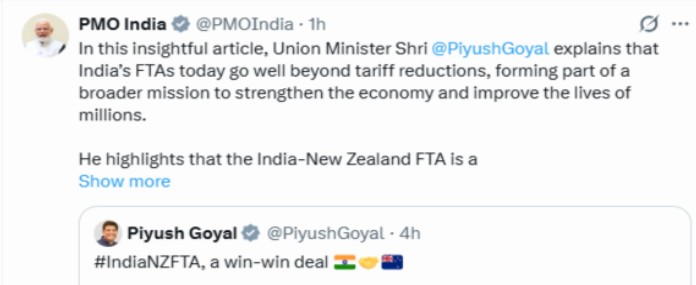
India–New Zealand FTA: A Historic Trade Milestone Led by ‘Nari Shakti’
The Free Trade Agreement (FTA) set to be concluded between India and New Zealand on Monday stands as a decisive milestone in India’s ongoing negotiations with the developed world. This represents a pivotal step in Prime Minister Narendra Modi’s vision to translate international economic partnerships into direct benefits for farmers, women, the youth, and employment-generating industries.
This FTA is being concluded in a series of historic trade agreements forged with major developed economies, such as the United Kingdom and the European Union (EU). Even amidst persistent global uncertainty and instability, such agreements serve to strengthen India’s standing in international markets. Furthermore, they provide Indian exporters with a competitive edge within some of the world’s most lucrative economies.
A Strong Boost for Exports and Employment
New Zealand’s commitment to immediately eliminate tariffs on all Indian products constitutes the most critical element of this mutually beneficial—or “win-win”—agreement. This move effectively removes the tariff barrier—currently standing at up to 10%—that applies to our key exports to that country. This initiative provides a massive boost to labor-intensive sectors such as textiles, carpets, yarn, garments, footwear, bags, belts, automobile components, machinery, tools, gems, jewelry, and handicrafts. These job-generating industries serve as the backbone of India’s MSME ecosystem. They stand to benefit by gaining price competitiveness and enhanced market access. Consequently, this will not only lead to an increase in exports but also generate large-scale employment opportunities within manufacturing clusters, artisans’ collectives, and small-scale industries.
This agreement reflects the broader philosophy that has guided India’s trade policy since the formation of the Modi government in 2014. It is grounded in the principles of inclusivity, empowerment, and shared prosperity. Trade is viewed not merely as a commercial activity, but as an instrument of national transformation that benefits farmers, workers, women, the youth, and marginalized sections of society.
Nari Shakti (Women’s Power)
This marks India’s first-ever women-led Free Trade Agreement (FTA). Notably, the negotiating team responsible for this agreement consisted almost entirely of women. This team included the Chief Negotiator, the Deputy Chief Negotiator, Sectoral Leads, and India’s Ambassador to New Zealand.
This agreement underscores the growing prominence accorded to women under the Modi government. This aligns with the extensive efforts underway to enhance women’s participation in governance, leadership, and decision-making across all sectors. It further reinforces the concept that ‘Nari Shakti’ (Women’s Power) serves as the driving force behind national development.
**Farmers: A Top Priority**
This FTA has been meticulously designed to boost agricultural productivity. New Zealand will provide support for ‘Agricultural Productivity Action Plans’ covering products such as kiwis, apples, and honey. These initiatives encompass various aspects, including collaborative research, capacity building for cultivators, orchard management techniques, post-harvest care, food safety systems, and the establishment of ‘Centers of Excellence.’ Projects aimed at apple growers and sustainable beekeeping will enhance both production volumes and quality standards, thereby fostering agricultural prosperity.
Concurrently, India has firmly safeguarded its core agricultural interests. It has exempted sensitive products—such as dairy items (milk, cream, whey, yogurt, and cheese), vegetables (onions, chickpeas, peas, and maize), almonds, sugar, and certain types of oils and fats—from tariff concessions. This measure ensures that domestic farmers remain protected from the competitive pressures of foreign imports. Safeguarding the interests of farmers and fisherfolk remains a central tenet of India’s policy across all trade negotiations. A key highlight of this agreement is the creation of new international pathways for Indian youth and professionals, as well as the facilitation of enhanced mobility for students and skilled experts.
For the first time in any bilateral trade agreement, New Zealand has introduced a structured framework specifically addressing the mobility of Indian students and their post-study work opportunities. There are no caps on the number of Indian students permitted under this arrangement. Students are permitted to work for a minimum of 20 hours per week while pursuing their studies. Upon completion of their education, post-study work rights have been extended—up to three years for STEM graduates and up to four years for doctoral scholars.
Through this agreement, a ‘Temporary Employment Entry Visa’ pathway has been introduced, allowing for the presence of up to 5,000 Indian professionals at any given time. Under this provision, professionals in sectors such as IT, engineering, healthcare, education, and construction—as well as those in selected traditional fields like Yoga, Ayurveda, Indian cuisine, and music education—may reside and work there for a period of up to three years.
Additionally, under the ‘Working Holiday Visa’ scheme, one thousand young Indians will be permitted annually to live and work in New Zealand for a period of up to 12 months. This initiative fosters cultural exchange and enhances international exposure.
Investment and Innovation
New Zealand is committed to facilitating investments amounting to $20 billion in India. It is expected to support the manufacturing sector, infrastructure, renewable energy, digital services, innovation ecosystems, and job creation.
To ensure accountability, a ‘rebalancing clause’ has been incorporated into this agreement. This provision enables India to take corrective measures should investment commitments fail to materialize. Furthermore, this agreement fosters cooperation in the fields of research, technology transfer, skill development, and innovation-driven sectors. Consequently, this serves to strengthen not only trade ties but also long-term development partnerships.
In terms of trade strategy, the India-New Zealand FTA reflects a clear and confident approach: partnering with developed economies to secure meaningful market access for our country’s labor-intensive sectors, while simultaneously respecting domestic sensitivities.
Today, India negotiates from a position of strength and credibility. Unlike the trade agreements of previous decades—which often jeopardized sensitive sectors by failing to incorporate adequate safeguards—current negotiations are being conducted to ensure that agriculture, dairy, and other sensitive sectors remain fully protected.
As India continues to deepen its engagement with developed nations, these trade agreements stand as a powerful testament to how trade policy can be effectively aligned with national development objectives. This alignment ensures inclusive growth and long-term economic resilience, paving the way for a ‘Viksit Bharat’ (Developed India) by 2047.
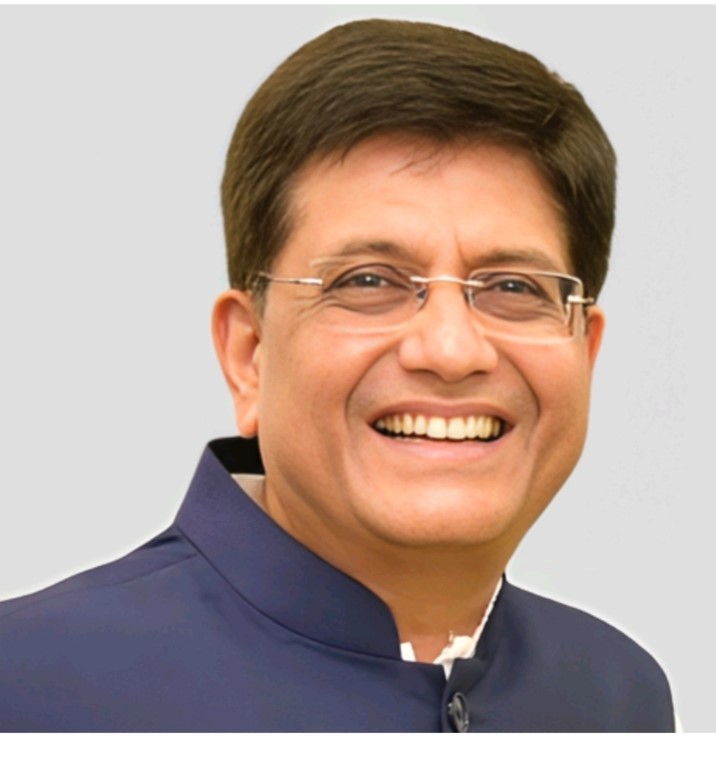
-Author: Piyush Goyal, Union Minister of Commerce and Industry
భారత్–న్యూజిలాండ్ ఎఫ్టిఏ : నారీ శక్తి నేతృత్వంలో చారిత్రక వాణిజ్య మైలురాయి
భారత్, న్యూజిలాండ్ మధ్య సోమవారం కుదుర్చుకోనున్న స్వేచ్ఛా వాణిజ్య ఒప్పందం (ఎఫ్టిఏ), అభివృద్ధి చెందిన ప్రపంచంతో భారత్ జరుపుతున్న చర్చల్లో ఒక నిర్ణయాత్మక మైలురాయిగా నిలవనుంది. అంతర్జాతీయ ఆర్థిక భాగస్వామ్యాలను రైతులు, మహిళలు, యువత మరియు ఉపాధిని కల్పించే పరిశ్రమలకు ప్రత్యక్ష ప్రయోజనాలుగా మార్చాలన్న ప్రధానమంత్రి నరేంద్ర మోదీ దార్శనికతలో ఇదో కీలక అడుగు.
యునైటెడ్ కింగ్డమ్, యూరోపియన్ యూనియన్ (ఈయూ) వంటి ప్రధాన అభివృద్ధి చెందిన ఆర్థిక వ్యవస్థలతో జరిగిన చారిత్రాత్మక వాణిజ్య ఒప్పందాల వరుసలోనే ఈ ఎఫ్టిఏ కుదురుతోంది. ప్రపంచవ్యాప్తంగా అనిశ్చితి, అస్థిరత కొనసాగుతున్నప్పటికీ, ఇటువంటి ఒప్పందాలు అంతర్జాతీయ మార్కెట్లలో భారత్ స్థితిని బలోపేతం చేస్తాయి. అలాగే… ప్రపంచంలోని అత్యంత లాభదాయకమైన ఆర్థిక వ్యవస్థలలో భారతీయ ఎగుమతిదారులకు పోటీతత్వ ప్రయోజనాన్ని కల్పిస్తాయి.
ఎగుమతులు, ఉపాధికి బలమైన ప్రోత్సాహం
భారతీయ ఉత్పత్తులన్నింటిపై సుంకాలను తక్షణమే రద్దు చేస్తామని న్యూజిలాండ్ హామీ ఇవ్వడం.. ఈ ఉభయ పక్షాలకు ప్రయోజనకరమైన (విన్-విన్) ఒప్పందంలో అత్యంత కీలకాంశం. ప్రస్తుతం మన ప్రధాన ఎగుమతులపై అక్కడ 10% వరకు అమలవుతున్న పన్నుల అడ్డంకి తొలగిపోతుంది.
వస్త్రాలు, తివాచీలు, నూలు, బట్టలు, పాదరక్షలు, బ్యాగులు, బెల్టులు, ఆటోమొబైల్ విడిభాగాలు, యంత్రాలు, పనిముట్లు, రత్నాలు, ఆభరణాలు, హస్తకళల వంటి శ్రమతో కూడిన రంగాలకు ఇది భారీ ప్రోత్సాహాన్ని అందిస్తుంది. ఉద్యోగాలను సృష్టించే ఈ పరిశ్రమలు భారతీయ ఎమ్ఎస్ఎమ్ఈ వ్యవస్థకు వెన్నెముక లాంటివి. ఇవి ధరల పరంగా పోటీతత్వాన్ని, మార్కెట్ ప్రవేశాన్ని పొందడం ద్వారా లబ్ధి పొందుతాయి. దీనివల్ల ఎగుమతులు పెరగడమే కాకుండా.. తయారీ క్లస్టర్లు, కళాకారుల సంఘాలు, చిన్న తరహా పరిశ్రమలలో భారీ స్థాయిలో ఉపాధి కల్పన జరుగుతుంది.
ఈ ఒప్పందం 2014లో మోదీ ప్రభుత్వం ఏర్పడినప్పటి నుంచి భారత వాణిజ్య విధానాన్ని నడిపిస్తున్న విస్తృత తాత్వికతను ప్రతిబింబిస్తుంది. ఇది సమగ్రత, సాధికారత, ఉమ్మడి శ్రేయస్సు అనే సూత్రాలపై ఆధారపడి ఉంది. వాణిజ్యం అనేది కేవలం వ్యాపారమే కాకుండా.. రైతులు, కార్మికులు, మహిళలు, యువత, అణగారిన వర్గాలకు ప్రయోజనం చేకూర్చే జాతీయ పరివర్తన సాధనంగా పరిగణించబడుతోంది.
నారీ శక్తి
ఇది భారత మొట్టమొదటి మహిళల నేతృత్వంలోని ఎఫ్టిఏ. దీనికి సంబంధించిన చర్చలు జరిపిన బృందంలో దాదాపు అందరూ మహిళలే ఉండటం విశేషం. వీరిలో చీఫ్ నెగోషియేటర్, డిప్యూటీ చీఫ్ నెగోషియేటర్, సెక్టోరల్ లీడ్స్, న్యూజిలాండ్లో భారత రాయబారి కూడా ఉన్నారు.
మోదీ ప్రభుత్వంలో మహిళలకు పెరుగుతున్న ప్రాధాన్యతను ఈ ఒప్పందం ప్రతిబింబిస్తుంది. అన్ని రంగాలలో పాలన, నాయకత్వం, నిర్ణయాధికారంలో మహిళల భాగస్వామ్యాన్ని పెంపొందించడానికి జరుగుతున్న విస్తృత ప్రయత్నాలకు అనుగుణంగా ఉంది. జాతీయ అభివృద్ధికి నారీ శక్తి చోదక శక్తి అనే భావనను ఇది మరింత బలోపేతం చేస్తుంది.
రైతులకు ప్రథమ ప్రాధాన్యత
వ్యవసాయ ఉత్పాదకతను పెంపొందించేలా ఈ ఎఫ్టిఏను అత్యంత జాగ్రత్తగా రూపొందించారు. కివీ, యాపిల్, తేనె వంటి ఉత్పత్తుల కోసం ‘వ్యవసాయ ఉత్పాదకత కార్యాచరణ ప్రణాళికల’కు న్యూజిలాండ్ మద్దతు ఇస్తుంది. ఈ కార్యక్రమాల్లో భాగంగా పరిశోధన సహకారం, సాగుదారుల సామర్థ్య పెంపు, తోటల నిర్వహణ పద్ధతులు, పంట అనంతర జాగ్రత్తలు, ఆహార భద్రత వ్యవస్థలు, ‘సెంటర్స్ ఆఫ్ ఎక్సలెన్స్’ ఏర్పాటు వంటి అంశాలు ఉన్నాయి. యాపిల్ సాగుదారులు, స్థిరమైన తేనెటీగల పెంపకానికి సంబంధించిన ప్రాజెక్టులు ఉత్పత్తిని, నాణ్యతా ప్రమాణాలను మెరుగుపరుస్తాయి, తద్వారా వ్యవసాయ శ్రేయస్సు పెరుగుతుంది.
అదే సమయంలో, భారతదేశం తన ప్రధాన వ్యవసాయ ప్రయోజనాలను పటిష్టంగా కాపాడుకుంది. పాల ఉత్పత్తులు (పాలు, క్రీమ్, వే, పెరుగు మరియు చీజ్), కూరగాయలైన ఉల్లిపాయలు, శనగలు, బఠానీలు, మొక్కజొన్న, బాదం, చక్కెర, కొన్ని రకాల నూనెలు, కొవ్వు పదార్థాల వంటి సున్నితమైన ఉత్పత్తులను సుంకాల మినహాయింపు నుంచి మినహాయించింది. దీనివల్ల దేశీయ రైతులు విదేశీ దిగుమతుల పోటీ నుండి రక్షణ పొందుతారు. అన్ని వాణిజ్య చర్చల్లోనూ రైతులు, మత్స్యకారుల ప్రయోజనాలను కాపాడటమే భారత్ విధానంలో ప్రధానాంశంగా ఉంది.
యువత, నిపుణులు భారతీయ యువతకు అంతర్జాతీయ స్థాయిలో కొత్త మార్గాలను సృష్టించేందుకు, విద్యార్థులు, నైపుణ్యం కలిగిన నిపుణుల కదలికలను మెరుగుపరచడం ఈ ఒప్పందంలోని ఒక ప్రధాన విషయం.
ఏదైనా ద్వైపాక్షిక వాణిజ్య ఒప్పందంలో మొదటిసారిగా, భారతీయ విద్యార్థుల కదలికలు, చదువు తర్వాత పని చేసే అవకాశాల కోసం న్యూజిలాండ్ ఒక నిర్మాణాత్మక ఫ్రేమ్వర్క్ను ప్రవేశపెట్టింది. భారతీయ విద్యార్థుల సంఖ్యపై ఎటువంటి పరిమితులు లేవు. విద్యార్థులు చదువుకుంటూనే వారానికి కనీసం 20 గంటల పాటు పని చేయడానికి అనుమతి లభిస్తుంది. చదువు పూర్తయ్యాక వర్క్ రైట్స్ స్టెమ్ గ్రాడ్యుయేట్లకు మూడేళ్ల వరకు, డాక్టరల్ స్కాలర్లకు నాలుగేళ్ల వరకు పొడిగించబడ్డాయి.
ఈ ఒప్పందం ద్వారా ఏ సమయంలోనైనా 5,000 మంది భారతీయ నిపుణుల వరకు ‘తాత్కాలిక ఉపాధి ప్రవేశ వీసా’ మార్గాన్ని ప్రవేశపెట్టారు. దీని ద్వారా ఐటీ, ఇంజనీరింగ్, హెల్త్కేర్, విద్య, నిర్మాణం వంటి రంగాలతో పాటు యోగా, ఆయుర్వేదం, భారతీయ వంటకాలు, సంగీత విద్య వంటి ఎంపిక చేసిన సంప్రదాయ రంగాలలో నిపుణులు మూడేళ్ల వరకు అక్కడ ఉండవచ్చు.
అదనంగా, ‘వర్కింగ్ హాలిడే వీసా’ పథకం ద్వారా ఏటా ఒక వెయ్యి మంది భారతీయ యువకులు న్యూజిలాండ్లో 12 నెలల వరకు నివసించేందుకు, పని చేయడానికి అనుమతించబడతారు. ఇది సాంస్కృతిక మార్పిడిని, అంతర్జాతీయ అనుభవాన్ని పెంపొందిస్తుంది.
పెట్టుబడి మరియు ఆవిష్కరణలు
భారతదేశంలో 20 బిలియన్ డాలర్ల పెట్టుబడులను సులభతరం చేసేందుకు న్యూజిలాండ్ కట్టుబడి ఉంది. ఇది తయారీ రంగం, మౌలిక సదుపాయాలు, పునరుత్పాదక ఇంధనం, డిజిటల్ సేవలు, ఆవిష్కరణా వ్యవస్థలు, ఉపాధి కల్పనకు మద్దతునిస్తుందని భావిస్తున్నారు.
జవాబుదారీతనాన్ని నిర్ధారించడానికి ఈ ఒప్పందంలో ఒక ‘రీబ్యాలెన్సింగ్ క్లాజ్’ చేర్చబడింది. దీని ద్వారా పెట్టుబడి హామీలు నెరవేరని పక్షంలో భారతదేశం దిద్దుబాటు చర్యలు తీసుకోవడానికి అవకాశం ఉంటుంది. ఈ ఒప్పందం పరిశోధన, సాంకేతిక బదిలీ, నైపుణ్యాభివృద్ధి, ఆవిష్కరణల ఆధారిత రంగాలలో సహకారాన్ని కూడా ప్రోత్సహిస్తుంది. దీనివల్ల వాణిజ్యంతో పాటు దీర్ఘకాలిక అభివృద్ధి భాగస్వామ్యాలు కూడా బలపడతాయి.
వాణిజ్య వ్యూహం భారతదేశం-న్యూజిలాండ్ ఎఫ్టిఏ, దేశీయ సున్నితమైన అంశాలను గౌరవిస్తూనే, మన దేశంలోని శ్రమతో కూడిన రంగాలకు అర్థవంతమైన మార్కెట్ ప్రవేశాన్ని కల్పించే అభివృద్ధి చెందిన ఆర్థిక వ్యవస్థలతో భాగస్వామ్యం వహించాలనే స్పష్టమైన, ఆత్మవిశ్వాసంతో కూడిన వాణిజ్య వ్యూహాన్ని ప్రతిబింబిస్తుంది.
నేడు భారతదేశం బలం, విశ్వసనీయత ఉన్న స్థానం నుంచి చర్చలు జరుపుతోంది. తగిన రక్షణలు లేకుండా సున్నితమైన రంగాలను ఇబ్బందుల్లోకి నెట్టిన గత దశాబ్దాల వాణిజ్య ఒప్పందాలలా కాకుండా, వ్యవసాయం, డైరీ, ఇతర సున్నితమైన రంగాలు పూర్తి రక్షణలో ఉండేలా ప్రస్తుత చర్చలు జరుగుతున్నాయి.
భారతదేశం అభివృద్ధి చెందిన దేశాలతో తన అనుబంధాన్ని మరింత పెంచుకుంటున్న తరుణంలో, ఈ వాణిజ్య ఒప్పందాలు వాణిజ్య విధానాన్ని జాతీయ అభివృద్ధి లక్ష్యాలతో ఎలా అనుసంధానించవచ్చో చెప్పడానికి ఒక శక్తివంతమైన ఉదాహరణగా నిలుస్తాయి. ఇది వికసిత భారత్ 2047 పథంలో సమ్మిళిత వృద్ధిని, దీర్ఘకాలిక ఆర్థిక స్థితిస్థాపకతను నిర్ధారిస్తుంది.
- రచయిత: పీయూష్ గోయల్, కేంద్ర వాణిజ్య మరియు పరిశ్రమల శాఖ మంత్రి