









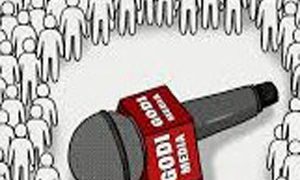












ప్రజాస్వామ్య సంరక్షకుడిపై ‘యాజమాన్య’ సంకెళ్లు!
ప్రజాస్వామ్య సౌధానికి నాలుగో స్తంభమైన పత్రికారంగం, కేవలం లాభనష్టాలతో నడిచే ఒక సాధారణ వ్యాపారం కాదు; అది లక్షలాది మంది నమ్మకంపై నిర్మించబడిన ఒక పవిత్రమైన సంస్థ. అయితే, నేటి ఆధునిక యుగంలో, మీడియా యజమానుల రాజకీయ, కార్పొరేట్ ,ఇతర వాణిజ్య ప్రయోజనాలు సంపాదకీయ స్వాతంత్ర్యాన్ని కబళిస్తున్నాయి. మీడియా యాజమాన్యానికి సంబంధించిన ఈ ‘ప్రయోజనాల సంఘర్షణ’ పాత్రికేయ మనుగడకే ఒక తీవ్రమైన సవాలుగా మారింది.
న్యూస్రూమ్ స్వయంప్రతిపత్తిని దెబ్బతీయడం
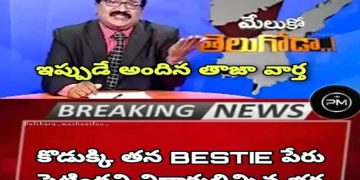
సాంప్రదాయ పాత్రికేయంలో, సంపాదకీయ ,వ్యాపార విభాగాల మధ్య ఒక స్పష్టమైన ‘లక్ష్మణ రేఖ’ ఉండేది. అయితే, నేడు మీడియా సంస్థలు భారీ కార్పొరేట్ సామ్రాజ్యాలలో కేవలం భాగాలుగా లేదా రాజకీయ పార్టీల గొంతుకలుగా మారడంతో, ఆ సరిహద్దు కనుమరుగైంది. మాతృ సంస్థకు, దాని రియల్ ఎస్టేట్ వ్యాపారాలకు, లేదా దాని రాజకీయ మిత్రులకు హాని కలిగించే ఏ వార్తను ప్రచురించాలనే ఆలోచనకే ఇప్పుడు సంపాదకులు వణికిపోతున్నారు. వాస్తవానికి, ప్రచురించబడిన కథల కంటే, ఉద్దేశపూర్వకంగా అణచివేయబడిన—‘చంపబడిన’—కథలే సమాజానికి చాలా ఎక్కువ హాని కలిగిస్తాయి. దీనికి తోడు, ‘పెయిడ్ న్యూస్’ ,‘యాడ్వర్టోరియల్స్’ (వార్తల ముసుగులో ఉండే ప్రకటనలు) పెరగడం వల్ల, పాఠకులు నిజమైన జర్నలిజానికి, వాణిజ్య ప్రచారానికి మధ్య తేడాను గుర్తించలేని గందరగోళంలో పడుతున్నారు. ఈ వాతావరణంలో, అంకితభావం గల జర్నలిస్టులు స్వీయ-సెన్సార్షిప్కు పాల్పడుతున్నారు లేదా, వ్యవస్థపై నిరాశతో, ఈ వృత్తిని పూర్తిగా వదిలివేస్తున్నారు.
మార్కెట్ గుత్తాధిపత్యం – బహుళత్వానికి ఒక ముప్పు
ప్రింట్, ఎలక్ట్రానిక్, ,డిజిటల్ మీడియా—దీనిని క్రాస్-మీడియా యాజమాన్యం అని పిలుస్తారు—కొన్ని ప్రధాన పారిశ్రామికవేత్తలు ,రాజకీయ కుటుంబాల చేతుల్లో కేంద్రీకృతం కావడం ప్రజాస్వామ్యానికి ప్రమాదకరం. ఇది అన్ని వేదికలపైనా ఏకరీతి, ఏకపక్ష కథనాల వ్యాప్తికి దారి తీస్తుంది, తద్వారా ప్రజలకు విభిన్న దృక్కోణాలను తెలుసుకునే అవకాశాన్ని దూరం చేస్తుంది.
ఇదిలా ఉండగా, కేవలం సర్క్యులేషన్ ,నిజమైన ప్రకటనలపై ఆధారపడే చిన్న ,మధ్య తరహా స్వతంత్ర మీడియా సంస్థలు ఆర్థికంగా కుంగిపోతున్నాయి. తమ ఇతర వ్యాపార ప్రయోజనాలను కాపాడుకోవడానికి లేదా రాజకీయంగా పట్టు సాధించడానికి, తరచుగా నష్టాల్లో కూడా మీడియా సంస్థలను నడిపే కార్పొరేట్ దిగ్గజాలతో పోటీ పడటానికి వారు ఇబ్బంది పడుతున్నారు.
ప్రజా విశ్వాసం – జవాబుదారీతనం
ఒక మీడియా సంస్థ ఏదైనా ఒక రాజకీయ పార్టీకి గానీ, కార్పొరేట్ సంస్థకు గానీ వత్తాసు పలుకుతోందని ప్రజలు గ్రహించిన క్షణం నుండి, వారి అపనమ్మకం మొత్తం మీడియా వ్యవస్థపైకి విస్తరిస్తుంది. వ్యవస్థను ప్రశ్నించే ఒక ‘కాపలాదారు’గా వ్యవహరించాల్సిన మీడియా, ప్రభుత్వ కాంట్రాక్టులు, లైసెన్సులు లేదా ఆదరణ కోసం తన సమగ్రతను రాజీపడితే, అవినీతి మరియు నియంత్రణ వైఫల్యాల ఉదంతాలు ఎప్పటికీ వెలుగులోకి రావు. కేవలం ప్రజల దృష్టిని మళ్లించడానికి రూపొందించిన సంచలనాత్మక వార్తల కోసం, ప్రజల జీవితాలను నేరుగా ప్రభావితం చేసే ప్రాథమిక సమస్యలను ,ఆర్థిక విధానాలను మీడియా సంస్థలు పక్కన పెట్టడం ప్రజాస్వామ్య స్ఫూర్తికే విరుద్ధం.
ప్రజాస్వామ్యం వర్ధిల్లాలంటే, మీడియా స్వతంత్రంగా ఉండాలి. మీడియా యజమానుల ప్రయోజనాల కంటే ప్రజా ప్రయోజనాలకే అత్యంత ప్రాధాన్యతనిచ్చినప్పుడే పాత్రికేయం తన పూర్వ వైభవాన్ని తిరిగి పొందగలదు. దీనిని సాధించడానికి, మీడియా యాజమాన్యాల మధ్య పారదర్శకతను నిర్ధారించే కఠినమైన నిబంధనలు ఉండాలి ,సంపాదకీయ విభాగానికి పూర్తి స్వయంప్రతిపత్తిని కల్పించాలి. మరీ ముఖ్యంగా, పాఠకులు ,ప్రేక్షకులు నిజమైన వార్తలకు, స్వార్థ ప్రయోజనాల కోసం కేవలం ప్రచారంగా పనిచేసే కంటెంట్కు మధ్య తేడాను గుర్తించే వివేకాన్ని పెంపొందించుకున్నప్పుడే ఈ “యాజమాన్యపు సంకెళ్ళు” తెగిపోతాయి.
‘Ownership’ Shackles on the Guardian of Democracy !
The press—the fourth pillar of the democratic edifice—is not merely an ordinary business driven by profit and loss; it is a sacred institution built upon the trust of millions. In today’s modern era, however, the political, corporate, and other commercial interests of media owners are devouring editorial independence. This ‘conflict of interest’ regarding media ownership has become a grave challenge to the very survival of journalism.
Undermining Newsroom Autonomy
In traditional journalism, there was a clear ‘Lakshman Rekha’ (a definitive boundary) between the editorial and business departments. Today, however, as media organizations have become mere components of vast corporate empires or mouthpieces for political parties, that boundary has vanished. Editors now tremble at the thought of publishing any news that might harm the parent company, its real estate ventures, or its political allies. In fact, the stories that are deliberately suppressed—‘killed’—cause far more harm to society than the stories that are actually published. Compounding this is the rise of ‘paid news’ and ‘advertorials’ (advertisements disguised as news), leaving readers in a predicament where they can no longer distinguish between genuine journalism and commercial propaganda. In this environment, committed journalists are either resorting to self-censorship or, out of disillusionment with the system, abandoning the profession altogether.
Market Monopoly – A Threat to Pluralism
The concentration of print, electronic, and digital media—known as cross-media ownership—in the hands of a few major industrialists and political families poses a danger to democracy. This leads to the dissemination of uniform, one-sided narratives across all platforms, depriving the public of exposure to diverse perspectives.
Meanwhile, small and medium-sized independent media outlets—which rely solely on circulation and genuine advertising—are being financially crippled. They struggle to compete against corporate giants who operate media organizations—often even at a loss—to safeguard their other business interests or to gain political leverage.
Public Trust – Accountability
The moment the public perceives that a media organization is siding with a particular political party or corporate entity, their distrust extends to the entire media system. If the media—which is meant to act as a “watchdog” that questions the establishment—compromises its integrity in exchange for government contracts, licenses, or patronage, then instances of corruption and regulatory failures will never come to light. It is contrary to the very spirit of democracy for media organizations to sideline fundamental issues and economic policies—which directly impact people’s lives—in favor of sensationalist news designed merely to divert public attention.
For democracy to flourish, the media must remain independent. Journalism will regain its former stature only when public interest is recognized as paramount, superseding the interests of media owners. To achieve this, there must be stringent regulations ensuring transparency among media ownership, and the editorial department must be granted complete autonomy. More importantly, these “shackles of ownership” will only be broken when readers and viewers cultivate the discernment to distinguish between genuine news and content that serves as mere propaganda for vested interests.