













తెలుగు ఆత్మ గౌరవ ప్రతీక తెలుగుదేశం పతాక…
‘తెలుగు ఆత్మగౌరవం’ నుండి డిజిటల్ క్లస్టర్ల వరకు: టీడీపీ మహానాడు రూపు మారుతోంది…
 మంగళగిరి:
పసుపు రంగు బ్యానర్లు వెలిశాయి, ఎన్.టి. రామారావు చిత్రపటాలకు పూలమాలలు వేశారు, కానీ తెలుగుదేశం పార్టీ (టీడీపీ) మహానాడుగా పిలువబడే ఈ వార్షిక రాజకీయ ప్రదర్శన మౌలికంగా భిన్నంగా కనిపిస్తోంది.
రెండు రోజుల పాటు జరిగే ఈ వార్షిక సదస్సు మంగళగిరిలోని పార్టీ కేంద్ర ప్రధాన కార్యాలయంలో ప్రారంభమైంది. అయితే, సాంప్రదాయకంగా లక్షలాది మంది పార్టీ విధేయులు ఒకే భౌతిక వేదిక వద్దకు తరలివచ్చే బదులుగా, టీడీపీ కార్యకర్తలలో అత్యధికులు అత్యంత సమన్వయంతో కూడిన వర్చువల్ నెట్వర్క్ ద్వారా పాల్గొంటున్నారు.
ఆంధ్రప్రదేశ్, తెలంగాణ రాష్ట్రాల వ్యాప్తంగా 1,848 డిజిటల్ క్లస్టర్లను అనుసంధానించే ఈ సరళీకృత “హైబ్రిడ్ ఫార్మాట్”కు మారడం, 43 ఏళ్ల క్రితం ప్రారంభమైన ఈ ఉత్సవానికి ఒక పదునైన ఆధునీకరణ మైలురాయిని సూచిస్తుంది. అయినప్పటికీ, అగ్ర నాయకత్వం గర్జించే భౌతిక జనసమూహాలకు బదులుగా భారీ LED తెరల వరుసలను ఉద్దేశించి ప్రసంగిస్తున్న ఈ తరుణంలో, మహానాడు తన విప్లవాత్మక జనరంజక మూలాల నుండి అత్యంత నియంత్రిత కార్పొరేట్-రాజకీయ యంత్రాంగంగా ఎలా పరిణామం చెందిందో లోతుగా పరిశీలించాల్సిన అవసరం ఏర్పడింది.
విప్లవాత్మక మూలాలు: జనరంజక గుర్తింపును రూపొందించడం
ఆధునిక మహానాడు ప్రాముఖ్యతను అర్థం చేసుకోవాలంటే, 1983 మే 28న విజయవాడలో జరిగిన సంఘటనలను గుర్తు చేసుకోవాలి. తెలుగు రాజకీయాలపై కాంగ్రెస్ ఏకస్వామ్యాన్ని బద్దలుకొట్టిన చారిత్రాత్మక భారీ విజయం సాధించిన వెంటనే, సినీ దిగ్గజం నుండి రాజకీయ నాయకుడిగా మారిన ఎన్.టి. రామారావు (ఎన్టీఆర్) తన పుట్టినరోజు సందర్భంగా మొదటి మహానాడును (“మహాసభ”) ప్రారంభించారు.
 న్యూఢిల్లీ యొక్క పెత్తందారీ, కేంద్రీకృత నియంత్రణగా ఆయన అభివర్ణించిన దానికి వ్యతిరేకంగా, ఉద్దేశపూర్వకంగా ఏర్పాటు చేసిన ఒక సాంస్కృతిక ప్రతిఘటనగా ఈ కార్యక్రమాన్ని ఎన్టీఆర్ ఒక పసుపు పండుగగా భావించారు. తొలి మహాసభలు గందరగోళంగా, భావోద్వేగాలతో నిండి, తీవ్ర జనరంజకంగా ఉండేవి. అత్యంత విజయవంతమైన కిలోకు ₹2 బియ్యం పథకం, గ్రామీణ విద్యుదీకరణ వంటి చారిత్రాత్మక సంక్షేమ కార్యక్రమాలు రాష్ట్ర విధానాలుగా మారకముందు, క్షేత్రస్థాయి కార్యకర్తలచే తీవ్రంగా చర్చించబడిన శాసన ప్రయోగశాలలుగా అవి పనిచేశాయి. తొలి మహానాడు యొక్క ప్రధాన వాగ్దానం ప్రజాస్వామ్య వికేంద్రీకరణ , తెలుగు ఆత్మగౌరవాన్ని పరిరక్షించడం.
ఆచరణాత్మక మలుపు: జనరంజకవాదం నుండి కార్పొరేటిజం వైపు
1990వ దశకం మధ్యలో నాయకత్వం ఎన్. చంద్రబాబు నాయుడు చేతికి మారడంతో, మహానాడు ప్రగాఢమైన సైద్ధాంతిక పరివర్తనకు లోనైంది. ఎన్టీఆర్ యొక్క భావోద్వేగ ప్రతిబింబాలు కేంద్రంగానే ఉన్నప్పటికీ, తీర్మానాల సారాంశం వ్యవసాయ సోషలిజం నుండి టెక్నో-క్యాపిటలిజం వైపు మళ్లడం ప్రారంభమైంది.
నాయుడు నాయకత్వంలో, సైబరాబాద్, ఆ తర్వాత అమరావతి వంటి ప్రపంచీకరణ కేంద్రాల కోసం ఐటీ మౌలిక సదుపాయాలు, ప్రభుత్వ-ప్రైవేట్ భాగస్వామ్యాలు ఇంకా బృహత్తర దార్శనిక పత్రాలను ప్రతిపాదించడానికి మహానాడు ఒక వేదికగా మారింది.
ఈ మార్పు అనివార్యంగా సదస్సు స్వరూపాన్నే మార్చివేసిందని రాజకీయ విశ్లేషకులు పేర్కొంటున్నారు. 1980వ దశకంలోని ఆకస్మిక, దిగువ స్థాయి చర్చలు క్రమంగా పకడ్బందీగా రూపొందించిన, ఉన్నత స్థాయి కార్పొరేట్ కార్యక్రమాలుగా రూపాంతరం చెందాయి.
తీర్మానాలను కమిటీలు ముందుగానే సిద్ధం చేసేవి, సదస్సు వేదిక ఎక్కువగా హైకమాండ్ తీసుకున్న నిర్ణయాలను ఆమోదించడానికి, పార్టీ సంస్థాగత క్రమశిక్షణను ప్రదర్శించడానికి ఇంకా నాయకత్వ వారసత్వ క్రమాన్ని నిర్వహించడానికి మాత్రమే ఉపయోగపడింది.
మహానాడు భావజాల మార్పు
ఎన్టీఆర్ శకం (1980లు) -> చంద్రబాబు నాయుడు శకం (1990లు-ప్రస్తుతం)
———————————————————–
• వ్యవసాయ సోషలిజం -> • సాంకేతికత ఆధారిత ప్రపంచ పెట్టుబడిదారీ విధానం
• మధ్యేవాద వ్యతిరేక జనరంజకవాదం -> • సంస్థాగత పాలన & సంస్కరణలు
• క్షేత్రస్థాయి చర్చలు -> • నియంత్రిత నిర్మాణాత్మక తీర్మానాలు
=================================================
డిజిటల్ సదస్సు
వాస్తవానికి నెల్లూరులో నిర్వహించాలని ప్రణాళిక వేసిన భారీ భౌతిక సభను కుదించి, దానికి బదులుగా స్థానిక వర్చువల్ విధానానికి మారాలన్న పార్టీ అధ్యక్షుడు, ముఖ్యమంత్రి చంద్రబాబు నాయుడు నిర్ణయం ఆధునిక భౌగోళిక రాజకీయ వాస్తవాలను ప్రతిబింబిస్తుంది. పశ్చిమ ఆసియా సంఘర్షణ కారణంగా కొనసాగుతున్న ప్రపంచ ఇంధన మార్కెట్ అంతరాయాల నేపథ్యంలో, ప్రభుత్వ వ్యయ నియంత్రణ, ఇంధన పొదుపు అత్యంత అవసరమని పార్టీ నాయకత్వం పేర్కొంది.
ఈ వర్చువల్ మార్పు యొక్క సాంకేతిక అమలుపై, ఇటీవల పార్టీ వర్కింగ్ ప్రెసిడెంట్గా పదోన్నతి పొందిన ఐటీ మంత్రి నారా లోకేష్ ముద్ర బలంగా కనిపిస్తుంది. దాదాపు 2,000 స్థానిక కేంద్రాలలో నిజ-సమయ డిజిటల్ పరస్పర చర్యను ఉపయోగించడం ద్వారా, పార్టీ ఒక లాజిస్టికల్ సవాలును వికేంద్రీకృత డిజిటల్ సమీకరణ యొక్క చారిత్రాత్మక ప్రదర్శనగా మార్చడానికి ప్రయత్నిస్తోంది.
పరిశీలనలో పాలన: కేడర్ ఏమి ఆశిస్తోంది
ఈ సాంకేతిక అద్భుతం ఉన్నప్పటికీ, ఈ సమావేశానికి సంబంధించిన పర్యవసానాలు వాస్తవ ప్రపంచ పాలనపైనే తీవ్రంగా ఆధారపడి ఉన్నాయి. తన కూటమి భాగస్వాములతో కలిసి ఇటీవల నిర్ణయాత్మకమైన ప్రజా తీర్పును సాధించిన TDP నాయకత్వం, ఇప్పుడు నిర్దిష్ట కాలపరిమితుల కోసం ఆత్రుతగా ఎదురుచూస్తున్న తమ కార్యకర్తలను మరియు ఓటర్లను ఎదుర్కొంటోంది.
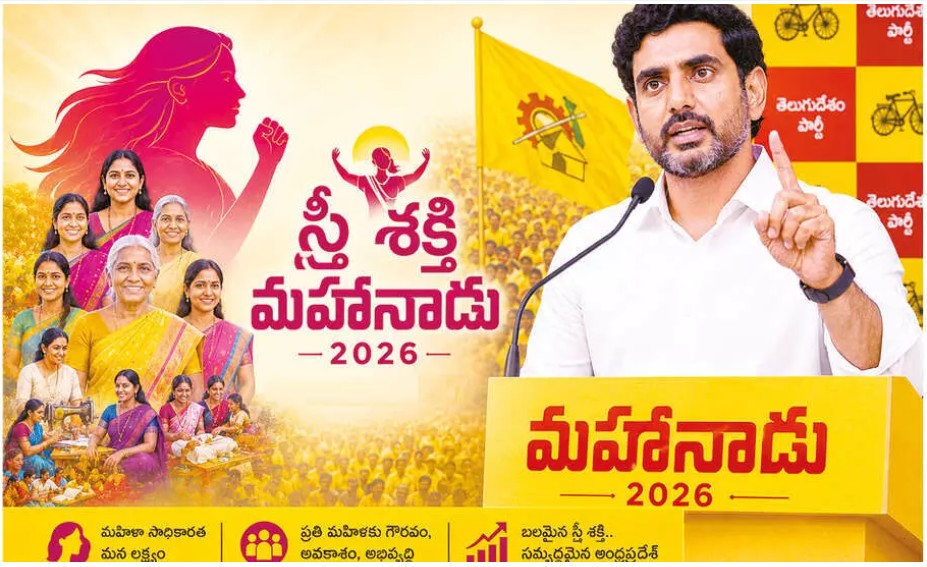
రాష్ట్ర ఆర్థిక పునరుద్ధరణ, లోకేష్ నాయకత్వంలోని ఉద్యోగ కల్పన విధానాలు, రాజధాని అమరావతి వేగవంతమైన పునర్నిర్మాణంపై స్పష్టమైన కార్యాచరణ ప్రణాళికల కోసం పార్టీ కార్యకర్తలు, పౌరులు ఒకే విధంగా మంగళగిరి ప్రసారాన్ని వీక్షిస్తున్నారు. అంతేకాకుండా, ఈ కార్యక్రమంలో 20 విభిన్న రాజకీయ తీర్మానాలతో పాటు ‘స్త్రీ శక్తి’కి అధిక ప్రాధాన్యత ఇస్తున్నందున, నాలుగు దశాబ్దాల క్రితం తమ ఆవిర్భావానికి నిర్వచనం ఇచ్చిన స్పష్టమైన క్షేత్రస్థాయి సంక్షేమాన్ని తమ ఆధునిక డిజిటల్ వేదిక ఇప్పటికీ అందించగలదని నాయకత్వం నిరూపించుకోవాలి.
తెలుగుదేశం పార్టీని నిర్మించిన సహజమైన, భావోద్వేగ శక్తిని ఎల్ఈడీ స్క్రీన్ల నెట్వర్క్ నిలబెట్టగలదా అనేది అంతుచిక్కని ప్రశ్నగానే మిగిలిపోయింది. కానీ 2026 మహానాడు నిరూపిస్తున్నట్లుగా, “పసుపు పండుగ” ఇకపై కేవలం ఒక భౌతిక సమావేశం మాత్రమే కాదు—ఇది నేరుగా ఓటరు ఇంటి వద్దకే ప్రసారం చేయబడే ఒక కార్యక్రమం.
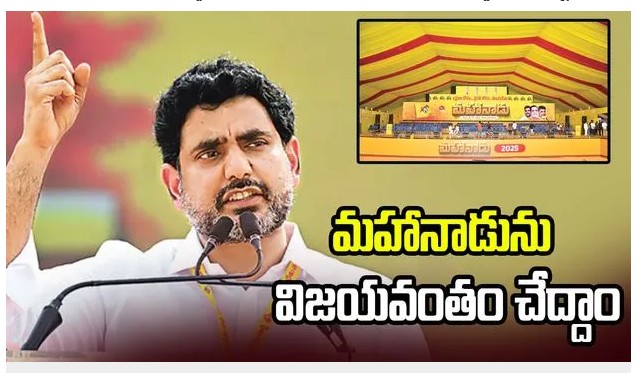
హైబ్రిడ్ సదస్సు కోసం మంగళగిరి కేంద్ర కార్యాలయంలో సిద్ధం చేసిన లాజిస్టికల్ , సాంకేతిక ఏర్పాట్ల ప్రత్యక్ష దృశ్యాలను చూడటానికి ఈ టీవీలు, సోషల్ మీడియా ద్వారా ప్రసారాలను వీక్షించవచ్చు .
=======================================================
The Telugu Desam flag is the symbol of Telugu self-respect.
From ‘Telugu Self-Respect’ to Digital Clusters: The TDP Mahanadu Is Transforming…
Mangalagiri:
Yellow banners have sprung up, and garlands have been placed on portraits of N.T. Rama Rao; yet, this annual political spectacle—known as the Telugu Desam Party (TDP) Mahanadu—appears fundamentally different this time around.
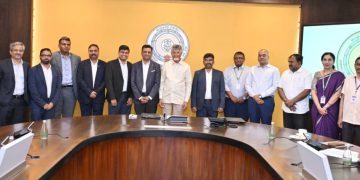
This two-day annual conclave commenced at the party’s central headquarters in Mangalagiri. However, instead of the traditional gathering where hundreds of thousands of party loyalists would converge at a single physical venue, the vast majority of TDP cadres are participating through a highly coordinated virtual network.
The shift to this streamlined “hybrid format”—which connects 1,848 digital clusters across the states of Andhra Pradesh and Telangana—marks a sharp milestone in the modernization of this festival, which began 43 years ago. Nevertheless, as the top leadership now addresses rows of massive LED screens rather than roaring physical crowds, it becomes imperative to take a deeper look at how the Mahanadu has evolved from its revolutionary, populist roots into a highly controlled corporate-political machine.
Revolutionary Roots: Forging a Populist Identity
To understand the significance of the modern Mahanadu, one must recall the events that unfolded in Vijayawada on May 28, 1983. Immediately after achieving a massive, historic victory that shattered the Congress party’s monopoly over Telugu politics, N.T. Rama Rao (NTR)—the cinematic legend turned politician—inaugurated the first *Mahanadu* (or “Grand Assembly”) on the occasion of his birthday.
NTR envisioned this event as a “Festival of Yellow”—a deliberately orchestrated cultural resistance against what he characterized as New Delhi’s domineering, centralized control. These early assemblies were often chaotic, charged with emotion, and intensely populist in nature. Before historic welfare initiatives—such as the highly successful ₹2-per-kilo rice scheme and rural electrification—were formally enacted as state policies, these assemblies served as legislative laboratories where such ideas were vigorously debated by grassroots-level party workers. The central promise of the inaugural *Mahanadu* was democratic decentralization and the safeguarding of Telugu self-respect.
A Pragmatic Turn: From Populism to Corporatism
In the mid-1990s, with the transfer of leadership to N. Chandrababu Naidu, the *Mahanadu* underwent a profound ideological transformation. While the emotive symbolism established by NTR remained central to the proceedings, the substantive core of the resolutions began to shift away from agrarian socialism and toward techno-capitalism. Under Naidu’s leadership, Mahanadu evolved into a platform for proposing IT infrastructure, public-private partnerships, and grand vision documents for globalization hubs such as Cyberabad—and subsequently, Amaravati.
Political analysts observe that this shift inevitably transformed the very character of the conference. The spontaneous, grassroots-level discussions characteristic of the 1980s gradually morphed into meticulously orchestrated, high-profile corporate-style events.
Resolutions were pre-drafted by committees; the conference venue served primarily to ratify decisions made by the High Command, to demonstrate the party’s organizational discipline, and to manage the line of leadership succession.
**The Ideological Shift of Mahanadu**
**NTR Era (1980s) -> Chandrababu Naidu Era (1990s–Present)**
———————————————————–
• Agrarian Socialism -> • Technology-driven Global Capitalism
• Anti-establishment Populism -> • Institutional Governance & Reforms
• Grassroots-level Discussions -> • Controlled, Structured Resolutions
=================================================
**The Digital Conference**
The decision by Party President and Chief Minister Chandrababu Naidu to scale down the massive physical gathering originally planned for Nellore—opting instead for a localized virtual format—reflects contemporary geopolitical realities. Against the backdrop of ongoing global energy market disruptions caused by the conflict in West Asia, the party leadership has asserted that fiscal prudence and energy conservation are of paramount necessity.
The imprint of IT Minister Nara Lokesh—who was recently elevated to the position of Party Working President—is clearly visible in the technical implementation of this virtual transformation. By leveraging real-time digital interaction across nearly 2,000 local centers, the party is attempting to transform a logistical challenge into a historic demonstration of decentralized digital mobilization.
Governance Under Scrutiny: What the Cadre Expects
Despite this technological marvel, the ramifications of this meeting hinge critically upon real-world governance. The TDP leadership—having recently secured a decisive public mandate in alliance with its partners—now faces a cadre and electorate eagerly awaiting concrete timelines for action.
Party workers and citizens alike are watching the Mangalagiri broadcast closely, seeking clear action plans regarding the state’s economic revival, job-creation policies under Lokesh’s leadership, and the accelerated reconstruction of the capital city, Amaravati. Furthermore, given that this event features 20 distinct political resolutions—along with a strong emphasis on ‘Stree Shakti’ (Women’s Empowerment)—the leadership must demonstrate that its modern digital platform remains capable of delivering the tangible, grassroots-level welfare that defined the party’s very inception four decades ago.
Whether a network of LED screens can sustain the organic, emotional energy that built the Telugu Desam Party remains an elusive question. However, as the 2026 Mahanadu demonstrates, the “Festival of Yellow” is no longer merely a physical gathering—it is an event broadcast directly to the voter’s doorstep.
One can watch the live visuals of the logistical and technical arrangements made at the Mangalagiri central office for this hybrid conference by tuning into broadcasts on TV channels and social media platforms.